Frosting or Fondant?

I’m going with fondant because it’s traditional. Yes, I know there are a lot of bakeries our there that are updating the black and white these days, using coatings of melted chocolate, ganaches and/or thick applications of frosting. To me that’s taking a good idea too far. I’ve long maintained that good cake needs very little adornment…a thin application of a real buttercream or a delicate veneer of icing.

READ ON
Where do black and whites come from?

New York City. Exactly how and why they evolved is a mystery, though scores of bakeries around the four boroughs take credit for the innovation. There’s nothing documented that gives the honors to anyone in particular, however it is clear that they’ve been around in one form or another for at least the past hundred years.

The most popular myth about their origin holds that they were invented when a baker needed a way to use up leftover cake batter. That (possibly) solves the substrate portion of the question, but what about the fondant design on top? Nobody in New York really knows, however they do all agree it’s not a cookie, dammit. And who am I to disagree?

READ ON

Black and Whites Recipe

Black and whites are flat cakes, not cookies, though they tend to be a little firmer and less rich than actual pieces of layer cake, which would tend to fall apart during the icing step and when they’re handled generally. These should be right in the zone I’m after, but as with all early-week recipes, let me try this before you do. You’ll need:

5 ounces (1 1/4 cups) cake flour
6.25 ounces (1 1/4 cups) all-purpose flour
1/2 teaspoon baking powder
1/4 teaspoons salt
zest of half a lemon
5 ounces (10 tablespoons) butter, softened
7 ounces (1 cup) sugar
2 eggs, room temperature
2/3 cup milk, room temperature
1/2 teaspoon vanilla
Poured fondant and chocolate poured fondant for icing

READ ON

Next Up: Black and Whites

Here’s a cookie that’s not really a cookie but a flat cake, iced with vanilla fondant on one side and chocolate on the other. There are mediocre black and whites all over the place. I’ll do my best to make a good one!

READ ON

Making Atole

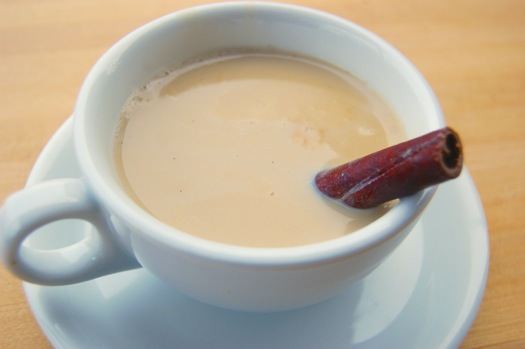
Vacation is no excuse not to put up at least the odd post, right? We made a little atole at Chez Pastry before we left, and a delightful refreshment it is too, especially on a cold winter day. It’s a simple Mexican concoction of sweetened, spiced milk thickened with corn starch. As with all things that call for only a few ingredients, the higher quality the ingredients, the better the end product.

READ ON

Making Baozi

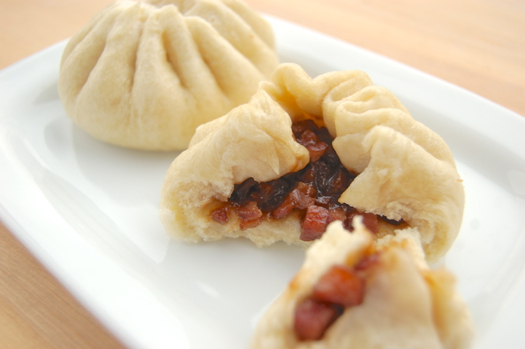
Two leaveners give baozi a cloud-like fluff that’s a perfect compliment to a sweet barbecue (or bean paste, or custard) interior. Sampling one straight from the steamer you could almost convince yourself that you’re eating some form of savory cotton candy. Such is the magic of steam baking. What you lose in color and crisp you gain in other-worldy lightness.

I confess that boazi intimidated me a little at first, I was worried about the shaping step. But a decent top crimp is well within the grasp of the average baker. And heck, if it fails you can just pinch it closed and steam the buns upside down instead. No shame there. They taste just as good. Start by preparing the filling of your choice and assembling your ingredients. Combine the dry ingredients in a bowl (or the bowl of a mixer fitted with the paddle). Stir them together.

READ ON

Better Cakes Through Chemistry

Not many questions on bao this week, but plenty on cake additives. So…why not? Reader Wale wants to know what the difference is between cake stabilizers, cake emulsifiers and cake improvers. These are products that are mostly used by commercial cake producers use in the U.S., but in some parts of the world are used by home bakers. Kitchen cabinets in Southeast Asia often contain so-called “cake gels” which produce very moist, very fluffy, very fine-crumbed cakes.

READ ON