Butter Spritz Cookie Recipe

These are known as butter “spritz” cooking because, well, they’re spritzed: squirted out of a pastry bag or if you’re a fan of Ron Popeil, a cookie gun. Make a chocolate version by stirring in 1/3 cup cocoa powder…or do half and half!

8 ounces (2 sticks) soft butter
3.5 ounces (1/2 cup) sugar
1 large egg
11.25 ounces (2 1/4 cups) all-purpose flour
1/4 teaspoon salt
finely grated zest of 1/2 lemon
1/2 teaspoon almond or vanilla extract
coating chocolate, sprinkles, raspberry jam or other embellishments
READ ON

Things Are Heating Up!

The surfaces of my kitchen appliances especially. Posts may be a bit thin on the ground leading up to the holiday as I’ve got four different projects to knock out today alone! Add to that a record volume of pre-Christmas baking questions and things are hectic at Chez Pastry. But keep the questions comin’ if […]

READ ON

Molasses & Christmas

Reader Joanna writes:

Can you tell me why it seems like every holiday recipe has molasses in it? I can’t stand the taste of molasses and it seems like it’s everywhere this time of year. I was wondering why and I thought I’d ask!

That’s a great question. The reason is because molasses was once the most commonly used sweetener in America, particularly before 1900 when all sugar here was made from cane (Americans didn’t get on the beet sugar bandwagon until 1890). In those days crystal sugar was commonly available but still fairly expensive stuff. Molasses was nearly as sweet but cost a lot less, so if you were a member of a household of medium-to-modest means, odds are your mother used molasses a lot more often than she used sugar.

READ ON

Next Up: Butter Spritz Cookies (Spritzgebäck)

I haven’t had good butter “spritz” cookies since I left Chicago. As a kid in the suburbs I could pretty much always count on at least a few coming in the front door during the Great Christmas Sweet Exchange. Failing that, good ones could usually be found in just about any ethnic bakery: German, Swedish, […]

READ ON

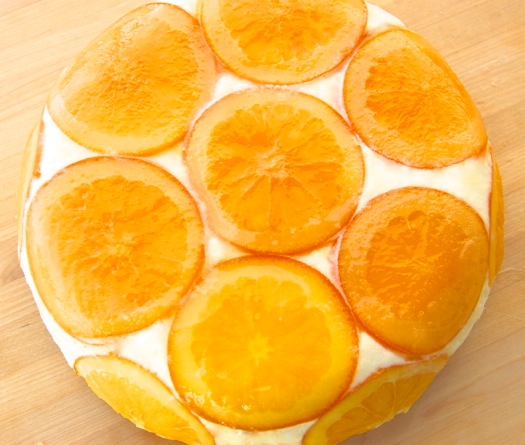
What About the Valencia?

That’s actually not from Spain, reader Derrick, it’s from California. It was named the “Valencia” orange because a Spanish orchard worker thought it resembled a variety from back home. However it remains the world’s most important sweet orange varietal.

READ ON

Navel Gazing

Reader Diana asks if the original rosace a l’orange recipe called for navel oranges and if so, if there’s a substitute. The answer is that it definitely didn’t. I’m not sure what variety of orange Lenôtre used in the original, since navel oranges are mostly an American thing, I’m almost certain he used some other variety.

Navel orange trees are a variety first discovered in Brazil in the 1870’s, descendants of sweet orange trees first brought by Portuguese explorers. The varietal generated a lot of excitement in those days because its fruit was hardy, sweet and seedless. The little “mini” orange tucked into the blossom end of the fruit was also an interesting novelty.

READ ON

New Start, Old Starter

Reader Liz writes:

I have a related question. Does the age of the starter have anything to do with the sourdough flavor? It seems like old starters are always highly touted – is that just because it’s impressive to have maintained a culture for so long or is it possible that the conditions of the starter will, over time, become more hospitable for the more flavorful, higher acid-producing lactobacilli?

Hey Liz! I’m not a bread microbiologist, but it’s believed by many bakers that like people, the old the starter gets the more “like itself” it becomes

READ ON

All In the Name of Flavor

Reader Lou asks, since he lives on the East Coast and has never had any luck making a strong-tasting starter, if I have any suggestions for getting more yeasty and/or bacterial flavor into home-baked bread. The first thing I’d suggest, Lou, is investigating some of those sourdough bread flavorings that you can buy over at King Arthur Flour. They contain various acids in powdered form, plus other natural x, y’s and z’s that give bread a more robust taste.

READ ON

What About San Francisco Sourdough?

So asks reader Rainey, who points out very rightly that San Francisco sourdoughs use flour from Kansas and other places, yet they have very distinctive flavor profiles. That’s an excellent question. The reason San Francisco sourdough breads taste the way they do isn’t a result of the yeast so much as it is the lactic acid bacteria that thrive in that area. All starters are tag teams of various yeasts, which consume the simplest sugars in the flour slurry (glucose and fructose), and bacteria which generally consume the more complex sugars (like maltose). The yeast are primarily responsible for the CO2 and alcohol in the dough, and the bacteria — as their name implies — the flavor-giving acid.

READ ON