Rugelach Recipe

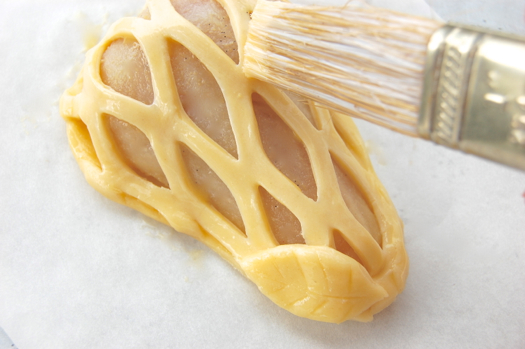
Rugelach come in a couple of different styles. There’s the classic croissant shape and what you might call the “strudel: shape. Either one will work with this formula. Any time I take on a classic I try to be aware that there are dozens of possible alternatives, most with an equal claim to the “definitive version” title. That rule certainly applies to rugelach. Some versions are made with sour cream and are a little more cake-like, some with cream cheese and are a little more pie crust-like. This formula is the latter, because that’s the version I first tasted and learned how to make. Calle me sentimental. The proportions for this style of rugelach are fairly standard:

For the Pastry

For the Pastry

4 ounces cream cheese, room temperature
4 ounces (1 stick) butter or margarine, room temperature
1 tablespoon sugar
3/4 teaspoon vanilla extract
1/4 teaspoon kosher salt
5 ounces (1 cup) all-purpose flour

READ ON

Back to the Battle of Vienna

Very early on in the evolution of joepastry.com I noticed something odd about baking and pastry history. Specifically that much of it led back to the same event in European history: the Battle of Vienna in 1683. The development of this bread can be traced back to the Battle of Vienna in 1683. I seemed to find lines like that everywhere. This pastry originated at the Battle of Vienna in 1683. Food historians trace the croissant, brioche, bagels, kipfel, rugelach (and undoubtedly many others) back to it. It’s the reason I came to call the Battle of Vienna the most baking-intensive conflict in the history of man.

So what exactly was the Battle of Vienna of 1683? Though most people today aren’t familiar with it, it was quite possibly the critical battle in early modern European history. It was the point at which the Ottoman Turks — who at the time seemed poised overrun northern Europe and in the process extinguish centuries of European tradition, Christian rule, the Westphalian nation state system and emerging concepts of individual rights and democracy — were routed by a combined army of Habsburgs and Poles. As I said we don’t think much about the battle now, but at the time it was considered, you know, important.

READ ON

What are rugelach?

They are little tube-shaped pastries usually made with a cream cheese dough. They resemble small croissants when they’re rolled, small cinnamon buns when they’re cut. Nuts or raisins with spices are the most common fillings, at least in my experience, though they’re wicked good when they’re filled with chocolate or marzipan. Just about any sweet […]

READ ON

Next Up: Rugelach

There’s been a surge of interest in knishes lately and that’s reminded me about rugelach, which I used to roll in a bakery every day but haven’t made in ages. I think it’s well past time to do some, no?

READ ON

Making Esterházy Torte

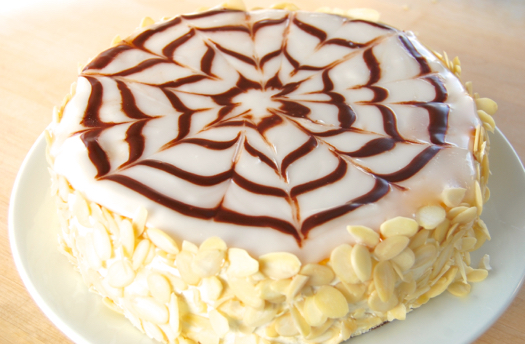
The combination of thin meringue layers and buttercream has been so cherished in Europe for so long that there’s even a special word for it: dacquoise. Which in French means ah, sweet mystery of life at last I found you. Top eleven layers of dacquoise with a smear of apricot glaze, then ice the whole works with chocolate-striped vanilla fondant and you have one of the all-time classics of Viennese pastry: Esterházy torte.

READ ON

What is “salt rising bread”?

Reader Katie asks, since I live in Kentucky, if I’ve ever heard of salt rising bread and if so, could I tell her what it is. Katie, I certainly have heard of it. It’s a type of bread favored by Appalachian folk that’s leavened not with baking powder or yeast but with a bacterium that goes by the name of Clostridium perfringens.

If that name sounds familiar it’s probably because C. perfringens is a well known food pathogen, one that can and very often does make people sick, sometimes seriously so. That however doesn’t stop some people from raising their bread with it. Why? Because unlike just about every other microbe that can grow in a starter bowl (aside from yeast) C. perfringens creates copious amounts of CO2. The rise you get from it is every bit as good, maybe even better, than actual yeast.

READ ON

Where does rum come from?

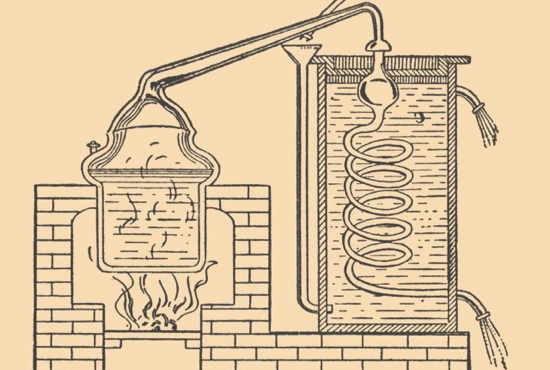
Now there’s a dandy question for a rainy afternoon. Reader Faith, I thank you for it. Rum is a New World spirit, a product of the West Indian sugar industry, originally invented when a vat of either cane juice or rain-diluted molasses was allowed to ferment. And of course one of the happy by-products of fermentation is alcohol.

Historians say it was probably plantation slaves that first began to drink this rough and ready grog — basically a sugar cane beer — which must have been horrible stuff. But it was cheap and intoxicating. Eventually it occurred to some enterprising souls to distill the beer into concentrated spirits and bingo — rum came into being. Before long people throughout the West Indies and in the Colonies were drinking this new “rumbullion.”

READ ON

That Torte

It’s made, it’s just waiting for a bit of decent weather. Esterházy torte has turned out to be a fairly challenging project from a visual production standpoint. Getting that top right while simultaneously photographing it was all but impossible. So I’m going to do a separate shoot just for the top on the same day I do my “hero shot” of the finished torte. The problem is that I take my pictures outdoors and the weather has looked like this all week:

READ ON

What’s the difference between parchment and waxed paper?

Oh there’s quite a lot of difference, reader Cynthia. Waxed paper is basically tissue paper with a wax coating on the outside, nowhere near as tough and useful as parchment. Parchment is thick (or at any rate thick-er) paper that’s been passed through an acid bath to increase its rigidity and give it a hard, smooth, glossy surface that resists just about everything. Most of the time parchment is also coated with silicone to give it extra stick-resistance.

READ ON

Cake and Composite Flour

Reader Wale has a very interesting question:

I would like to ask you what composite flours are. Presently the Nigerian Govt has requested that all flour millers include cassava in wheat flour so as to support the agricultural industry and reduce the buying of wheat from out side the country. This new hybrid flour contains 90% wheat flour and 10% high quality cassava flour. Please can you talk more about composite flours and tell me if it’s ok to use them for cake baking, especially American high ratio cakes.

Hi Wale! Yes I’ve read here an there about composite flours, mostly in regard to western Africa where governments have been anxious to reduce the costs associated with imported wheat. Since root crops like cassava are plentiful, so the thinking goes, why not cut the flour with some less expensive filler? It makes a certain amount of sense, at least when seen from a government perspective. Bakers may well feel differently of course.

READ ON