Category: Pastry
Traveling the Kentucky Doughnut Trail
The New York Times does an able job of showcasing some of the best cop stops in the state. I’d make one addition, the Midway School Bakery, whose made-from-scratch doughnuts might not be world class just yet, but are definitely on track for greatness! Thanks to the Times for shining a light on a great Kentucky tradition!
READ ONMaking Treacle Tart
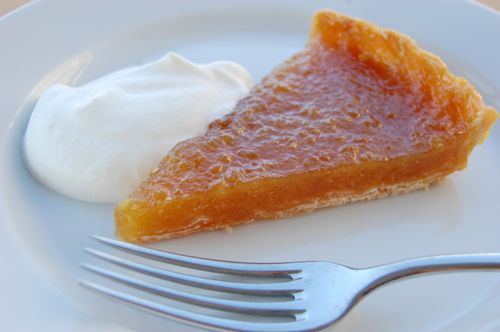
Harry Potter fans in the US may be surprised to know that this sugar pie has been around a whole lot longer than J.K. Rowling. As I discussed last week, it’s an ancient treat older than Dumbledore…even Hogwarts I’ll venture. A good treacle tart is sweet and lemony with just a hint of ginger spice. Served in a small slice — which is all anyone needs of something so sugary — it makes a soothing treat on a cold day.
READ ONStevia
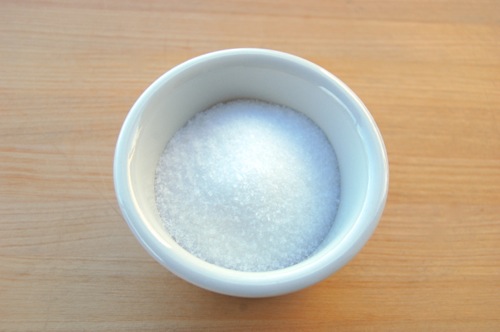
I left this out during sugar week, but a few readers out there asked if I’d mention it. I don’t really want to go down the slippery slope of non-sugar sweeteners since there are a lot of them. But stevia is extremely popular these days so…why not?
Stevia, as I mentioned, is not a sugar. It has nothing even sugar-like in it. It’s an extract from the sweetleaf plant that goes by the technical name of steviol glycoside. It’s incredible powerful stuff. The pure form clocks in at something like 300 times the sweetness of sugar, though packaged stevia is only about 50 times as sweet as an ingredient. Even so a mere teaspoon will replace an entire cup of sugar.
But to say a chemical compound is sweet doesn’t necessarily mean it performs like table sugar — especially in baking applications. Stevia is funny in that its sweet flavor comes on much slower than table sugar, so in that sense it’s not quite an equivalent. Then there’s the question of bulk. Sugar does a lot more than make, say, a muffin sweet. It acts as a moisture-retainer and its sheer weight provides a counterbalance to the leavening. So if you’re wanting to bake with stevia you need to take the various factors into account. Many people add apple sauce, yogurt or pulped fruit to compensate.
READ ONJoe’s Books: The Essential James Beard Cookbook
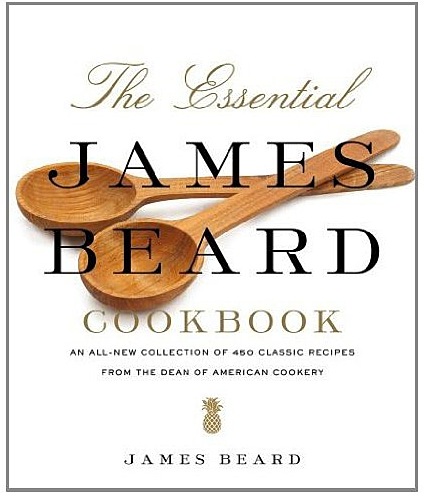
James Beard is a name hardly anyone knows anymore. Not really. Certainly every food enthusiast knows the name of the foundation that bears his name. We know the little gold seal that goes with the prize-winning cookbooks, best chef chef endorsements and glittering galas that are held each year at Lincoln Center. But few of us know much about the man. His cookbooks are little-known now, save perhaps for Beard on Bread, which for many years was the only really reliable guide for making decent bread at home. Today most of his 22 titles, including his famous American Cookery are considered quaint relics, even when they’re reissued with updated covers and introductions. It’s a shame.
READ ONOn Sugar Pies
Most people think sugar pies like treacle tart and shoofly pie are modern recipes, ultra-indulgences of the sweet tooth born in the industrial age. In fact they’re much older than that. Much. Sugar and molasses pies go back to the earliest days of sugar making in the Middle East. When sugar eventually spread to Europe, Europeans were only too happy to join the sugar pie party, and in time brought their ultra-sweet pastries to the New World.
Looking especially at the treacle tart recipe below you can see echoes of Renaissance cooking: far-eastern spice and a bread crumb binder/thickener. That general approach carries over to shoo-fly pie, though the Germans changed the crumbs to a streusel topping which works just the same or even a little better. Interestingly, it’s thought
READ ONTreacle Tart Recipe
While we’re making candy in a crust, I think a little treacle tart is in order as well, don’t you? There are a lot of contemporary recipes that add things like cream and eggs, but as with the shoo-fly pie recipe below, I like the more traditional and/rustic version. You’ll need:
1 recipe savory tart crust
16 ounces (1 1/3 cups) golden syrup or light molasses
3 ounces (1 cup) fresh bread crumbs or (1/2 cup) rolled oats
zest of 1 lemon zest
2 tablespoons lemon juice
1/4 teaspoon ground ginger
Glucose Syrup
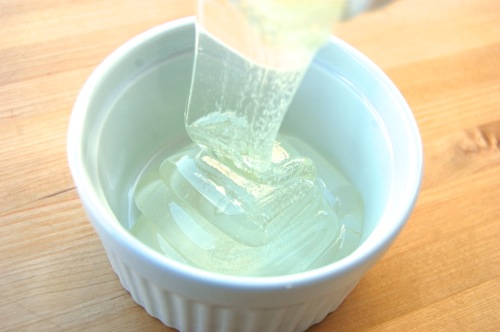
“Glucose syrup” is what some in the English-speaking world call corn syrup. Indeed this incredibly thick and sticky stuff is corn syrup, just a rather special kind. In what way? It’s exceedingly low in moisture, which makes it handy for all sorts of confectionery work where you want to keep the finished product flexible without adding extra water to it. It also has a much cleaner taste than grocery store corn syrup because it has fewer of the thickening long-chain starch molecules in it (it’s thick because it’s almost entirely, well…glucose).
Rarely does a baker use glucose syrup, save in caramels and fondants. The fascinating thing about it is that despite being nearly 100% glucose it doesn’t taste very sweet compared to conventional syrups, even though it’s made of the simplest of sugars and the general rule is that the simpler the sugar, the sweeter it tastes to humans. It does of course have every bit as many calories. Even more really, since most syrups are about 20% water. Just one of the quirks of the way our taste buds work. Curious indeed.
READ ONInvert Sugar Syrup
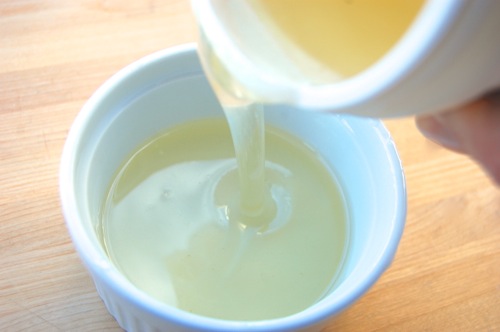
I’ve referenced invert sugar quite a bit over the last week. But did you know that you can actually buy it in a jar? You can. I did. Then I took a picture. This is nothing more than a plain ol’ everyday sucrose syrup that’s been heated and treated with an acid (tartaric or citric, probably). You can make this yourself of course, but some bakeries and/or confectioners would just as soon buy it pre-made. Who am I to argue?
READ ONOutta Here
I’m St. Louis bound for a few days. Back with something extremely sweet on Monday.
READ ON