The Sugar Pen
Yes, they call it the sand pen, but imagine the possibilities with colored sugars. I’d love to draw on some cakes and cookies with one of these things!
READ ONYes, they call it the sand pen, but imagine the possibilities with colored sugars. I’d love to draw on some cakes and cookies with one of these things!
READ ONBoth maybe? Choux formulas are pretty standard in the proportion of flour, eggs, liquid and fat. Where they sometimes differ is in the type of liquid they call for: some say milk, others say water, some say a combination. Does it make a difference?
READ ONNope, that’s not an obscure choux-based sweet, it’s Pastry household reality. The girls have a case each, though quite mild because of modern-day vaccinations. Still it’s going to put a bit of a kink in the works I think. Blogging will occur as best it can between applications of calamine lotion.
READ ON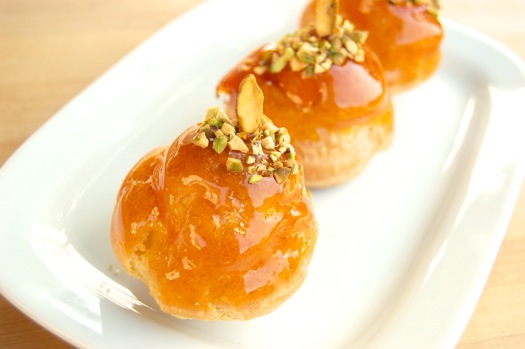
These all-but-forgotten little globes of joy have the Belle Époque styling you’d expect from a pastry invented in the 1890’s. Crunchy caramel and nuts on the outside, fluffy choux and rich, silken pastry cream on the inside…I wonder how it is that they’ve been out of vogue for so long!
READ ONWhat choux batter reminds me of the most is a groovy bubble-blowing goo from the 70’s called Super Elastic Bubble Plastic (made by Wham-O!). It too starts as blob of putty-like material, but due to its extreme plasticity (and elasticity), it can be blown up into huge bubbles. I wish that stuff was still around. Sadly it was taken off the market in the early 80’s after the killjoys of the world pointed out that it gave off noxious fumes. Since when did those ever hurt anybody?
READ ON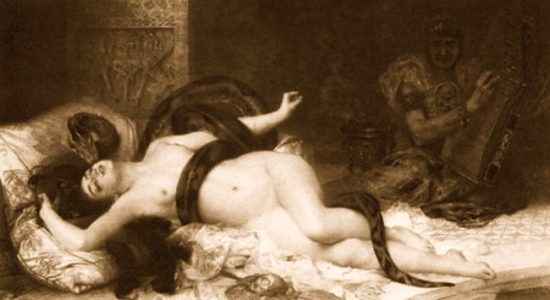
Salammbos are obscure pastries, mostly forgotten about now: choux puffs filled with kirsch-scented pastry cream and glazed with caramel and pistachios. They were created in Brussels for the 1890 premiere of Ernest Reyer’s opera Salammbô, which was an adaptation of the novel of the same name by Gustav Flaubert. Here in the States we know Flaubert mostly for Madame Bovary. Salammbô was his next novel, a piece of historical fiction set in ancient Carthage. It was published in 1862.
READ ONPastry types just call it choux for short. The word literally means “cabbage” in French, and if you’re wondering how a pastry dough (batter, really) made of eggs, butter and flour ever got that name…I’ll tell you later.
Pastries made with choux dough are among the greatest exemplars of mechanical leavening known to the baking world. Should you be rusty on what exactly “mechanical leavening” means, it’s shorthand for steam power. Laminated doughs like puff pastry employ it, soufflés and angel food cakes employ it. Yet none of them achieve increases in volume like choux, a walnut-sized dollop of which will inflate to roughly the size of a lemon in the oven — and almost perfectly hollow to boot. No wonder people like to fill choux pastries up with things like whipped cream.
READ ONMost of us only think about choux batter when we want to make an éclair. However it has all sorts of fun, quick-and-easy applications, some of which I’ll try over the next couple of days. Projects are TBD…so stay tuned!
READ ON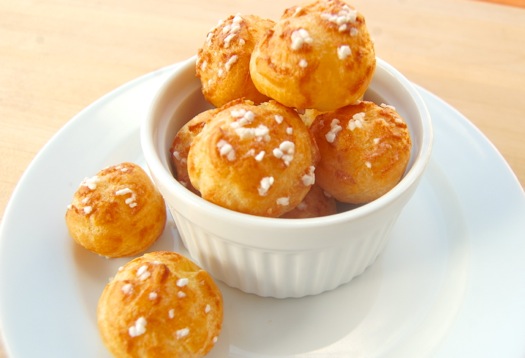
Got a lazy autumn afternoon going? Have a craving for something sweet but don’t have the initiative or the appetite for proper pastry? Then chouquettes are your answer. These little blobs of choux (cream puff) batter are extremely light, slightly rich and just a little sweet. They’re perfect with what’s left of the newspaper and a cup of coffee. All you need to do is whip together a little choux batter, it’ll take you fifteen minutes tops.
READ ON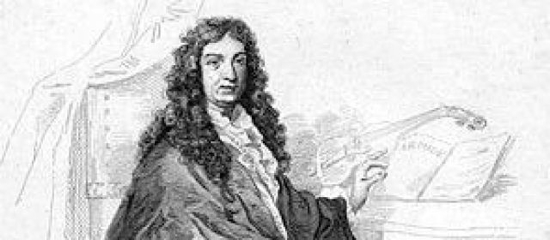
Reader Ford asks: where does the name “Chantilly cream” come from? It’s a very interesting and probably untrue story, Ford. Chantilly cream gets its name from the Château de Chantilly in northern France. That’s where Chantilly cream is supposed to have been invented by a fellow by the name of François Vatel — master of the house and servant of Louis, Prince of Condé — for a famous banquet for Louis XIV in April of 1671.
READ ON