What exactly is brandy?

And how is it different from, say, whiskey? Reader Jimmy, thanks for a delightful question. We here in the States drink precious little brandy and a result a lot of us wonder exactly what it is and what relationship it bears to other mysterious Continental spirits like cognac.

The word brandy — and I love this — is actually taken from a Dutch term that means “burning”. It’s nothing more than wine that’s been distilled into something quite a bit stronger. Wine is about 12% alcohol when it’s made. Distilled into brandy it can be up to 60% alcohol (120 proof), and that’s where the burning part comes in.

READ ON

There was curaçao in 1814?

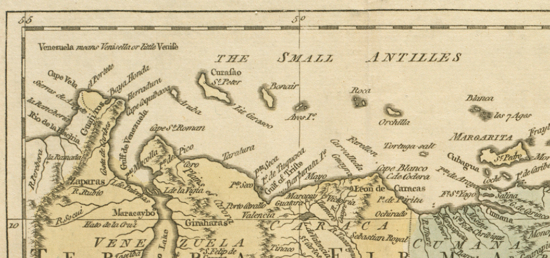
Yes indeed there was, though not the brand name we know now, that didn’t come along in the late 1800’s. Curaçao, originally, was a generic term for orange-infused brandies that were originally produced by the Dutch. The Dutch owned, and indeed still do own, the island of Curaçao which is located in a chain of islands called the “Lesser Antilles” just off the coast of Venezuela. There an odd variety of citrus known as the “laraha” grows. It’s a descendant of the Valencia orange, originally brought to Curaçao by the Spaniards in the 1500’s but which, due to the island’s relatively poor soil, soon evolved (devolved?) into something else. That thing is the laraha, a small, green, bitter and thick-skinned citrus that just happens to be terrible for eating but great for flavoring alcohol.

READ ON

Correction

I thought the optional sour cream in the strawberries Romanoff recipe was an attempt to re-create the flavor of whipped cream in the days before refrigeration. I’ve since discovered that Carême made two versions: one with plain whipped cream and one with sour cream added. The former was designed to appeal to French audiences, the […]

READ ON

Marinate, Macerate: Is there a Difference?

Practically speaking, no. Both involve soaking food in a flavorful liquid for some period of time. The main difference is that “marinating” is a term we apply to meat and vegetables and “macerating” is a term we apply to fruit. If you want to split hairs you could argue that the intended results of each […]

READ ON

Strawberries Romanoff Recipe

Those of you who don’t think macerated fruit desserts are impressive, I understand. There are a lot of pretty lame fruit cups out there. However this one was invented by Antonin Carême — the King of Chefs, Chef of Kings himself — and you know that dude never did anything half way. This does not disappoint. All you need is:

about 4 cups best quality small-to medium strawberries, hulled
2 ounces (1/4 cup) curaçao (or Cointreau or Grand Marnier)
2.75 ounces (about 1/3 cup) fresh squeezed orange juice
8 ounces (1 cup) cold heavy cream
2 ounces (generous 1/4 cup) sugar
1/2 teaspoon vanilla extract
1/2 cup sour cream

READ ON

Next Up: Strawberries Romanoff

Enough of the technical mumbo-jumbo. My brain is polluted with tensile strength, pseudoplasticity and thermo-reversibility. Time to find relief in some simplicity. Strawberries Romanoff should do the trick. This is one of those preparations you’ve probably seen on a menu but never tried. The hot and gooey death-by-chocolate puddings are always calling, aren’t they? I feel your pain.

READ ON

Back in the Pack

I’m early for a meeting in Madison, Wisconsin where I’ve landed in a coffee shop called Electric Earth. The hipsters who run this place couldn’t be less excited to see me, but it’s a great spot to take a quick breather and remark on how good it was to drive the Chicago-area highways early this morning. Living in Louisville now I miss the feel of that early commute. It’s like being part of a pack of hungry cheetahs, all hovering within inches of each other as we race to cut off the wildebeest migration at Grumeti River. Faster. We must arrive by dawn if we want our pick of the young and tender!

The ol’ stomping grounds look good today. I’m looking forward to stopping at the Vienna Beef factory later and picking up a summer’s supply of the world’s greatest hot dogs. More from me soon!

READ ON

Agar (Agar)

Agar is like carrageenan in that it’s extracted from seaweed. Only where carrageenan was used mostly in Ireland and Scotland until about 1930, agar was the go-to gelling agent in southeast Asia. Indeed “agar”, or actually “agar agar” is the Malaysian word for “jelly”. Makes sense to me! Since it’s “discovery” by Western scientists in 1882 it has been the preferred medium for growing bacteria in petri dishes. There’s a little bit of trivia you can throw out at the dinner table this evening!

READ ON