Structure & Butter

Reader Robert writes:

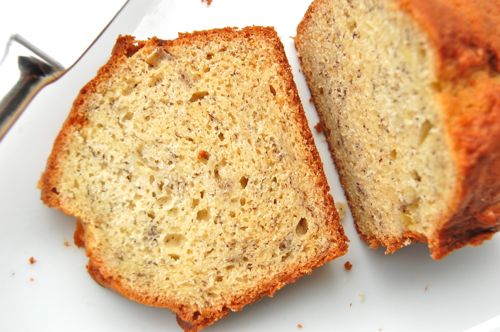
I have a sciencey question for you regarding mixing in the butter for brioche. All the recipes I have seen say to mix the butter in after the dough is formed. I am wondering why.

By my reasoning, mixing the butter into the eggs before adding the flour would seem to be a whole lot less messy, and the emulsifiers in the eggs would help to keep the butter in place. I’ve not really had an opportunity to try this out, but I’m wondering if you know of some reason why this wouldn’t work?

Excellent question, and one that’s very pertinent to the current project, since gâteau battu is so similar to brioche. It employs many of the same methods…including the working-in of butter once the basic dough is formed.

READ ON
Osmo Intolerance

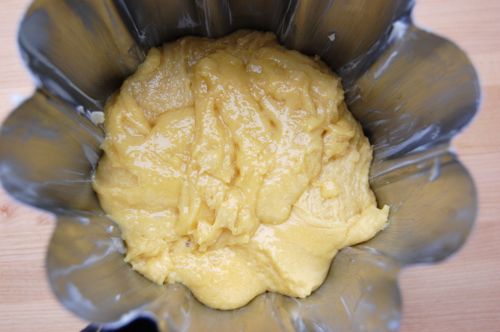
Lots of good thoughts from readers this week on the gâteau battu problem. I actually turned out a decent one yesterday, but the rising times were too long…double what the original recipe calls for (4 for rising, 2-3 for proofing) and that’s just too darn long. So I’m going to have another go at it today, employing a sponge this time to give the yeast a running start before the sugar goes in.

Several of you have asked why I don’t use fresh yeast, or better still a dry osmo-tolerant yeast of the kind you can buy from bakery supply houses. The reason is that I try — as much as possible — to use ingredients that most people can easily get their hands on. The way I see it, ordering a pound of yeast most people will likely never use again puts up a serious barrier to entry for folks who might simply want to attempt something new. Therefore, no osmo-tolerant yeast. Overall I try to use plain instant yeast, which is a widely available, very effective and super-convenient product (and no I don’t get free yeast for saying that).

READ ON

Harumph.

Four attempts so far and the best I can produce is sweet library paste. I cut the sugar down by a third, by half, by two thirds…but still the dough won’t rise one iota. Frustrating as this is, it’s an object lesson in the lethality of sugar, at least where microbial life is concerned.

We’re accustomed to thinking of sugar as food for microbes, but in truth they can only take it in very small doses. I remember getting into a debate with the wife of a friend over this subject. “If sugar is so deadly to microbes,” she argued, “then why do I see mold growing on old jam?”

READ ON

Joe Influences the Youth

I’ve started doing afternoon, once-a-week baking classes at my daughter’s grade school. They’re part of an “afternoon enrichment” program, and they take place after regular classes let out. I’ve got five students signed up out of a possible twelve, which is completely OK by me since real live teaching is a new thing for me. The problem is that we have one hour exactly for the entire class…explaining, mixing, shaping and baking. Which means I need six ideas for projects I can tackle in that amount of time.

READ ON

While we’re waiting…

Reader Tim asks if I know how and why trench warfare evolved. Tim, I’m not a military historian, but that won’t stop me from taking a stab at answering your question. From what I know, trench warfare simply “happened.” It was an outcome of the weaponry that was being used at the time. It’s often said of various wars that technical advances in weaponry were well ahead of the military tactics being used. As a rule that tends to be true, since senior officers are almost by definition old guys who tend to look to the past. If it worked then, it’ll work now. That way of looking at the world becomes less and less valid as the pace of technological advance increases.

READ ON

What’s French for “boondoggle”?

When I don’t post much it generally means I’m having trouble with a recipe. It seems the recipe I have for gâteau battu isn’t going to work. So much for reliable sources! The dough is just too sweet for the yeast to grow well. I’ll do some digging tonight and see what else I can […]

READ ON

Where does banana bread come from?

…asks reader Roz. Banana bread was a relative latecomer to the tea bread scene, not having arrived until the early 1930’s. The first written recipe is thought to have been published in a 1933 Pillsbury Company cookbook entitled Balanced Recipes. Still there’s little to suggest that banana bread was especially popular at the time.

READ ON

Banana Bread

Hang on there Joe, aren’t we doing gâteau whatchamacallit? Well, yes we are, but I had a bunch of overripe bananas that were crying out to be turned into something. And what with all the interest in tea breads the last week or so it seemed timely. Plus the weather here has been awful the last three days…my precious natural light has been at a bare minimum…terrible for photography. I promise I’ll get to gâteau battu as soon as the Thanksgiving break is over. And anyway, this is my mother’s famous banana bread. You can’t go wrong here. You’ll need:

READ ON

Gâteau Battu Recipe

This isn’t the standard French method for making gâteau battu (“beaten cake” in English). Traditionally it’s made with fresh yeast using what some people call the “blitz method”, i.e. just throwing everything into the mixer all at once and turning it on. I’ve converted this to a dry yeast procedure on the assumption fresh yeast isn’t easy for most people to find. To compensate for the lack of a fresh, live culture, I’m using instead the sponge method, which gives the yeast a running start since it’ll eventually be confronted with lots of sugar and/or alcohol. I also add the butter in late, as you do if you’re making standard brioche. This creates both a fluffier texture and a higher rise. Omit this step if you’re a stickler for authenticity.

READ ON