Making Pumpkin Scones
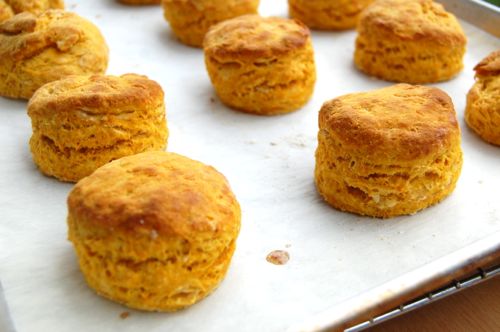
New Zealand/Australian scones are so like American biscuits it’s tempting to say there’s no difference between them at all. That’s not true of course. On balance they contain a little less butter and are moistened (at least the pumpkin versions) with egg instead of buttermilk, which gives them a more tender, cake-like crumb. Another big difference is that they’re frequently loaded up with flavorings like pumpkin, cheese or dates. Most Americans (especially Southern Americans) view flavored biscuits with deep suspicion, if not outright hostility. These, however, are fantastic.

READ ON
Pumpkin Scones Recipe

Things work a little differently in New Zealand and Australia where baking nomenclature is concerned. Relative to American baking, their scones are our biscuits. Their biscuits are are our cookies, and their cookies are…well honestly I don’t know what they are. I’m not sure they have any. But these pumpkin biscuits scones are something special. Talk about a great way to get kids to eat their vegetables fruit, these things have more pumpkin in them than flour.

Slightly cake-like relative to American biscuits (that’s because of the egg) the process of making them is identical. Try them soon, as you’ll be able to whip up a batch in about half an hour total.

READ ON

What are “tea breads” anyway?

Tea breads are a fancier name for quick breads. Banana bread, lemon bread, zucchini bread and pumpkin bread are the most common tea breads in the States, but there are countless others, from apple to chocolate to pineapple to strawberry. Tea breads are often confused with pound cakes, but in fact they’re quite a bit leaner (usually), having both less fat and fewer eggs in the mix.

How long have tea breads been around? Oh about a hundred years, roughly. Several of the classics date to the home baking explosion which occurred in the 1880’s as post-Civil War industry got on to the more important business of mass-producing baking pans and implements for American consumers.

READ ON

What does over-mixing do to tea breads?

Excellent, reader Mark! Thank you. We’ve been talking a lot about gluten lately, your question is a continuation of that important topic. As we know, moisture and agitation causes gluten to develop. Developed gluten in a cake-like device is a problem because it toughens the finished product. Most of us have probably tasted over-beaten tea breads, those sweet but rubbery slices that sometimes appear on holiday buffet tables.

You can judge an over-beaten tea cake (or cake, or muffin) by sight: that very tall crown — a muffin with a conical top, a cake layer that’s humped up in the middle, a tea bread loaf that looks like a treasure chest. All evidence that the crumb is holding too much gas and steam. Believe it or not, while we bakers rely on chemical leaveners to create gas pockets that will fill up with steam in the oven, we ultimately want most of that gas and steam to escape.

READ ON

Making Pumpkin Bread

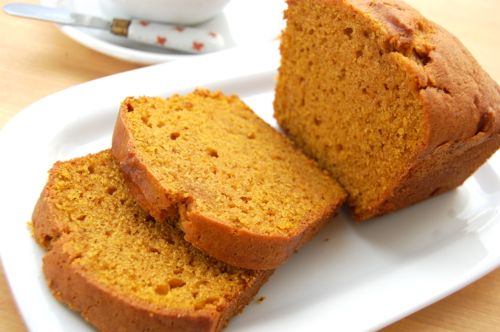
I should do more pumpkin recipes, they match so well with my overall color scheme. As with most tea breads, the only trick to this is avoiding over-beating. Otherwise it’s a snap. Begin by preheating your oven to 350 (or 375 if you’re using small 1-pound pans). Apply butter or cooking spray to your pans.

READ ON

Pumpkin Bread Recipe

This pumpkin tea bread is moist and flavorful — one of the few things I make that both my girls absolutely love. Like most tea breads, it combines the virtues of low effort and large payoff quite elegantly. I like to make all my tea breads in small “1 pound” loaf pans as I believe the end result is not only more convenient but less dry. However I’ve included directions for conventional loaf pans as well.

1 lb. (3 cups) all-purpose flour
1/2 teaspoon ground cloves
1 teaspoon ground cinnamon
1 teaspoon ground nutmeg
1 teaspoon ground ginger
1 teaspoon baking soda
1/2 teaspoon baking powder
1/2 teaspoon salt
1 lb. canned pumpkin
3 large eggs
1 lb. 5 ounces (3 cups) sugar
1 cup vegetable oil

READ ON

Fresh or canned pumpkin?

Every year I get questions from readers asking whether they should consider using fresh pumpkin in their seasonal baking. That’s understandable. It’s the gourmand’s reflex to want to prepare everything fresh and from scratch. However I have yet to meet a professional baker or pastry chef who’s ever recommended getting their pumpkin fresh out of the squash versus simply opening up a tin.

I know how that sounds…but having roasted and scooped my share of fresh pumpkin flesh over the years, I can honestly say that I can’t tell the difference in taste — and I vastly prefer the texture of canned pumpkin. More than that, canned is extremely consistent in terms of moisture content, which eliminates the risk of a watery custard or soggy bread.

READ ON

Making Pumpkin Pie

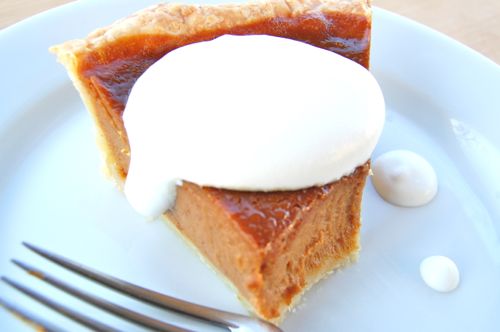
That’s how I like a slice of pumpkin pie: well lathered in semi-whipped cream. Pumpkin is my favorite pie by a Kentucky mile. The fact that it’s relatively low in calories and packed with nourishment only makes it easier for me to rationalize a second or third piece.

Pumpkin has always been one of the easier pies to make: roll the shell, mix the filling, pour the filling and bake. Here I’m complicating matters a bit, but the payoff is big, so please indulge me. Hm. Ever notice how I like to simplify the complicated and complicate the simple? Something I’m just starting to learn about myself. But let’s continue.

READ ON

Oh and…

Something else that’s notable about Simmons’ book, at least for those of us who bake, is that it is the first to document the use of chemical leavening…a very American technique that was originally pioneered by native peoples.

READ ON

An American Orphan Cooks (and Writes)

When did the first “real” pumpkin pie arrive on the culinary scene? Unknown. Pumpkin pies, which were more like squash tarts, started to appear in Europe not long after the first pumpkin “pie” was served at the second American Thanksgiving in 1621. Precisely 30 years later, in 1651, the legendary French chef and cookbook author Pierre la Varenne published a recipe for pumpkin tart: basically sweetened pumpkin mixed with milk and butter. Similar recipes started appearing in English cookbooks within a couple of decades.

It wasn’t until about a hundred years later that the first known custard-based pumpkin preparation appeared in print. It was in America and, appropriately enough, in the first American cookbook ever published: American Cookery, by “Amelia Simmons, an American Orphan.” Simmons’ recipes for “pompkin pudding” are identical to our modern pumpkin pie fillings.

READ ON