Making Crotins au Chocolat
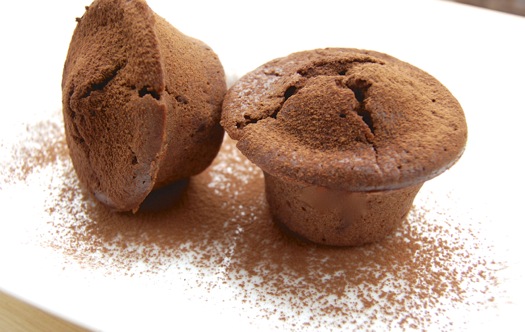
These unusual yeast-raised sweet muffins are unlike any other chocolate cake or bread you’ve ever eaten. Vaguely fluffy when warm, they settle down as they cool to become a bit denser and more decadent-feeling. Though not nearly as decadent as a flourless cake they’re definitely a chocolate kick-in-the-pants, as Mrs. Pastry likes to say, with little bombs of melty goodness throughout. Start by assembling your ingredients and preheating your oven to 350 degrees Fahrenheit. Begin with the sponge. Whisk together the flour, sugar and yeast in a medium bowl.

READ ON
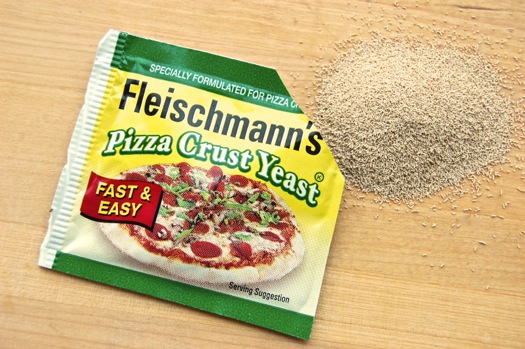
Pizza Yeast

This is a new, you might say “novelty”, yeast the was introduced to the American market in 2010. It’s a form of rapid-rise yeast which as the name implies is specifically intended for pizza makers, more specifically inexperienced pizza makers who want a quick dough that they can mix, shape and bake in 30 minutes. It’s an interesting idea…I don’t know how well it’s selling but it’s received a lot of positive reviews.

READ ON

Why use packaged yeast at all?

Several readers have written in to ask this question, and it’s a good one. Now that home bakers are so widely using bread starters and preferments, why bother with the packaged stuff since it delivers inferior flavor even if the rise is faster? I can think of a few reasons.

Concentrated yeast cultures — brewer’s yeast or packaged yeast — work faster and so create lighter, fluffier breads. Bakers, especially those living in cities, have known this for centuries. These urban dwellers are people who’ve historically had access to brewery leftovers as well as more finely-milled flours. That’s why in general their breads tended to be more toothsome (at least when they weren’t full of sawdust and mice) if not the most flavorful.

READ ON

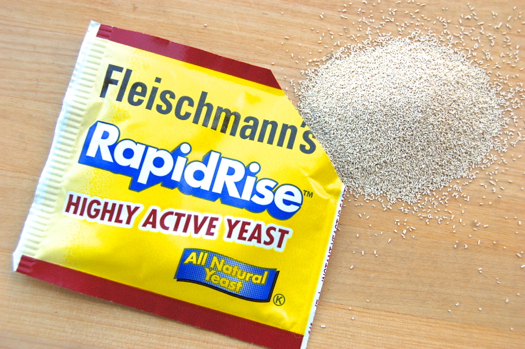
Rapid Rise Yeast

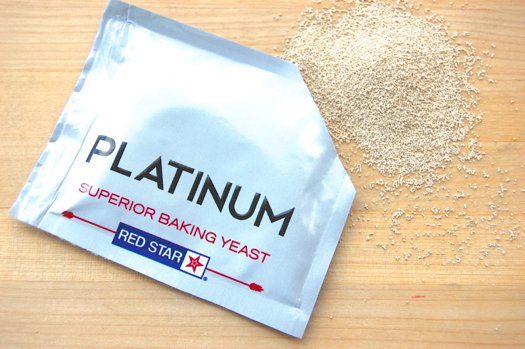
As the name implies this is the fastest-rising of all the various packaged yeasts. A version of instant yeast, it’s made via similar methods but the granules are even narrower and thinner…almost rod-like if you can see them. That means they absorb moisture and dissolve even faster, so they start working, reproducing and making CO2 almost immediately.

READ ON

Instant Yeast

Instant yeast is a form of active dry yeast, just a bit more technologically advanced. Like active dry it’s grown in the fermenting tank, then centrifuged and filtered to remove much of the water. Then it’s mixed with a little oil and extruded in thin threads which are then dried, cut and packaged. The difference is that in the case of instant yeast, the mixture that’s extruded has more live cells, a result of a faster drying process that’s not as stressful on the critters.

READ ON

They Were Expendable

Reader Cassie wants to know why, if sugar kills yeast, how the yeast manages to survive in the chocolate crotin recipe I’m doing this week. That’s an excellent question and the answer is that it doesn’t. Notice in the recipe below that crotins have two stages, a sponge stage and a mixing/baking stage. The sponge is cultured with just yeast, flour, water and a small amount of sugar. Once it’s inflated, full of little yeast-created pockets of CO2,

READ ON

Active Dry Yeast

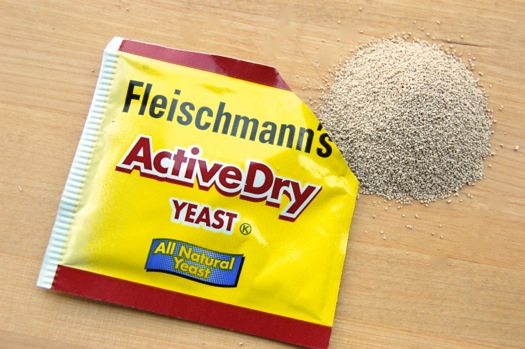
Active dry yeast undergoes a few more processing steps than compressed yeast. After the live yeast is spun out of the fermentation vat and a good deal of the water is removed, it’s mixed with a small amount of oil and extruded in extremely thin little ribbons. Those ribbons are cut up into granules, then the granules are tossed in a powder of some, shall we say, “detritus”…dead yeast cells mostly, to give them a protective coat. At that point they’re fully dried, packed and shipped.

READ ON

Yeast: An Instant History

Yeast as an ingredient has been historically very closely tied to beer making. The first leavened breads were made from porridges that were left sitting out too long and eventually fermented (the first bread starters), but bakers soon came to understand that quicker, stronger, more aggressive rises could be achieved when the scum left over from beer making (what we now understand to be a thriving yeast culture) was added to dough.

Beer has been around for at least ten thousand years…about as long as bread, unsurprisingly. We know the ancient Egyptians brewed beer, though even earlier records of beer making come from the mountainous region of western Iran. So from the very earliest days of agriculture in the West, beer, and by extension bread, was hot stuff all around the Mediterranean, across the Middle East and up into the Eurasian steppes. From there it spread into the backward and barbarous lands of Europe and the British Isles. Out-of-control football hooliganism followed soon after.

READ ON

Sweaty Undershirts + Hay = Mice

Watching a bread dough grow is a wonder. Or at least it is to me, a dedicated baker and consummate geek. I never fail to be startled when I peer into a cloth-covered bowl and find a completely inflated sponge, bubbly and rarin’ to go. Just two hours prior it was a lifeless paste of water and flour. What could be cooler?

Moments like this make one understand how the ancients (and a few not-so-ancients) came to believe that leavening was a miracle. Certainly no one had any concept of the tiny creatures we call microbes until the age of Pasteur. Europeans in the Middle Ages simply called fementation “goddisgoode”. Whenever I think of that I imagine two Medieval dirt farmers staring drunkenly into mugs of beer a the local mead hall. One says to the other: I wonder how this happens? The other shrugs and says: Hey, God is good!

READ ON

Fresh Compressed Yeast

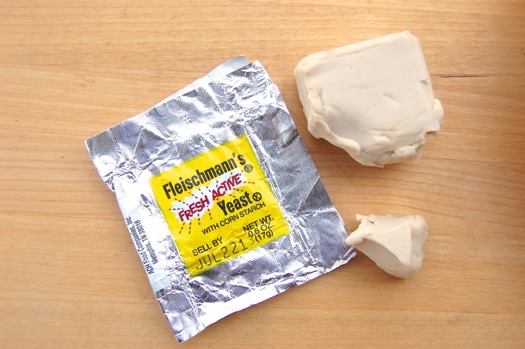
Also called “cake” yeast, this form of yeast is a living culture, taken straight from the fermentation vat — actually spun out via a centrifuge. Water is removed, then the live yeast is mixed with a little cottonseed oil, a few emulsifiers, then pressed to shape. It’s available in most larger supermarkets and is usually found on an upper shelf near the cream cheese (in the States).

The nice thing about fresh yeast is that it’s active when you buy it. It doesn’t need to “wake up” in order to be used, and a lot of people find that reassuring. Add it to a dough and you get a very fast and lively rise with it.

READ ON