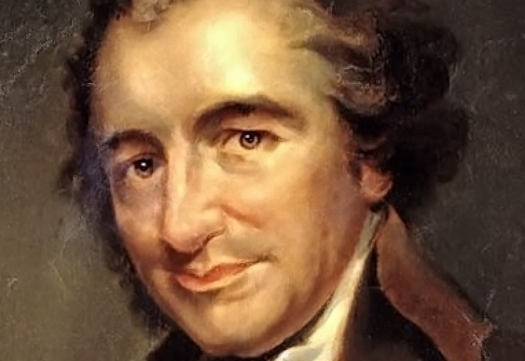
Why doesn’t it matter how much water you add?

Reader Belli wants to know why, when you’re combining the water and sugar at the outset of the caramel- or candy-making process, it doesn’t really matter how precise you are with the water. Doesn’t water content make a big difference to the texture of the finished candy?

READ ON

At exactly what temperature does caramelization happen?

That’s what reader OB wants to know. Most authorities will tell you, OB, that sucrose caramelizes at 340 degrees Fahrenheit (170 degrees Celsius). That’s true, but then there are some mitigating factors that make the precise caramelization point of table sugar a rather hard thing to pin down. That’s why I generally write “above 300 degrees Fahrenheit” because it’s a safe thing to say. 320 degrees Fahrenheit (160 C) is about the point you usually start to see the first bit of yellowing in the pan. That’s caramelization. But what is going on then if sucrose doesn’t caramelize until 340?

READ ON

Why does caramel burn so easily?

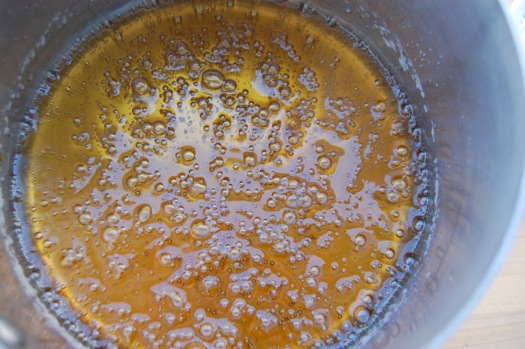
Talk about an inspired question, thanks reader Jo! Most pastry makers know how prone a pan of caramel is to burning if you don’t cool it right away with cold cream or butter, or take it off the heat when it’s still a light amber color. Indeed the whole caramelization process comes on in a rush. You cook and cook and cook this clear syrup until it starts to yellow then it’s dark yellow then brown and whoa nelly! — it’s burnt.

Why does this happen? Partly because molten sugar is a very dense liquid and tends to hold heat. But there’s another more interesting reason which has to do with the caramelization reactions themselves. Most Joe Pastry readers probably already know something about caramelization. It begins to happen to table sugar when it’s combined with water and heated above 300 degrees Fahrenheit. At that point the sucrose starts breaking into its component glucose and fructose molecules, then the glucose and fructose molecules themselves start breaking apart.

READ ON

Making Croquembouche

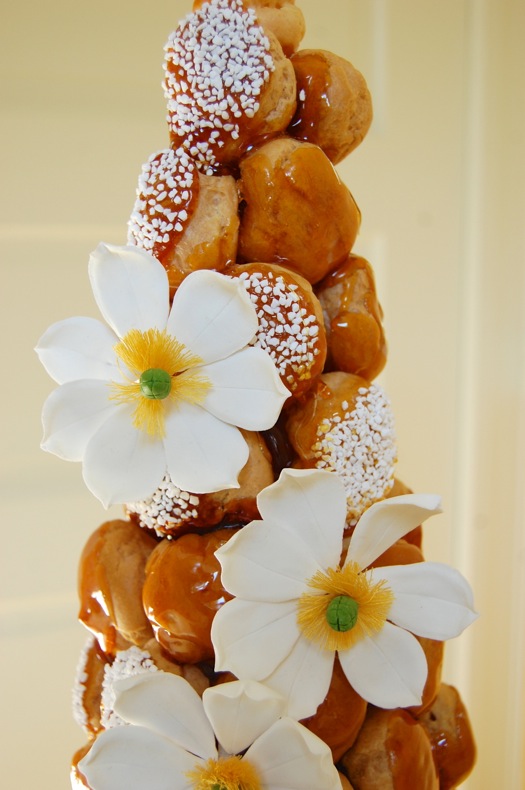
What’s the hardest part of a croquembouche? The photography. I don’t do “across” on this website, I only do “down”. Why is that? It’s not because my photo studio consists entirely of a cutting board that’s twenty inches across, that’s a vicious rumor. It’s because “across” is the direction of evil. Everybody knows that. Still, “across” shots are one of those necessary evils when your finished product is two feet tall sitting on a cake stand.

READ ON

Working, working…

Well the house has warmed back up again. Today’s complication is that little 6-year-old Joan Pastry has stomach flu. Oh, the laundry! However the croquembouche is proceeding again. More on that soon!

READ ON

Meet Tom Paine

Winston Churchill famously defined a fanatic as a man who can’t change his mind and won’t change the subject. That was Thomas Paine, American revolutionary and probably my favorite character from American history. Why do I love Paine? Because he was, not to put too fine a point on it, a wacko. He was the archetypal disheveled, smelly revolutionary who would have been perfectly at home in any modern coffee shop, debating politics with guys in tie dies and rasta beanies. Also he was a master of compact prose. No one could put complex ideas into plain language like Tom Paine.

Like most American revolutionaries, Paine was born an Englishman. He was a failure at just about everything: as an apprentice in his father’s corset-making business, as a government employee, as a tobacco shop owner and as a husband. His one stroke of good luck was meeting Benjamin Franklin in London in 1774. Franklin suggested he quit England for the colonies. Paine was broke, divorced, out of favor politically and in danger of being thrown into debtor’s prison. Good time for an exit.

READ ON
Frozen Out

Quite a little ice storm we had here in Louisville last night. This semi-southern town isn’t built for such things. Case-in-point our power is out and won’t be back on — quite possibly — for a couple of days. Which means the pastry clan is headed out, either to a hotel or the floor of a friend’s house, whichever we can get! Now if you’ll excuse me I need to turn off the water and drain our plumbing system so our pipes don’t freeze overnight. More when I can, adventurers!

UPDATE: A cold house is terrible for your plants. Also, note to self: hook up the gas fireplace fixture that’s been disconnected since we moved in.

READ ON

Downfall of the Pièce Montée

Below we talked about how the pièce montée art form found new life in post-revolutionary Paris, particularly when practiced by Antonin Carême. That Carême took the “mounted piece” to new heights of sophistication and artistry is beyond dispute. However it’s also beyond dispute that even as Carême continued to produce one pièce montée masterpiece after another, the heyday of grand centerpiece was coming to an end. For changing politics were also bringing about a broader change in the way people ate.

In the glory days of the French aristocracy (and European aristocracy generally), formal dining occurred around grand tables. Food was brought in four or five huge services, from which diners served themselves. A single service could comprise a dozen or more items. First service consisted of soups, hors d’oeuvres and lighter meat dishes. Second service was

READ ON

Do pièces montées survive in any other form?

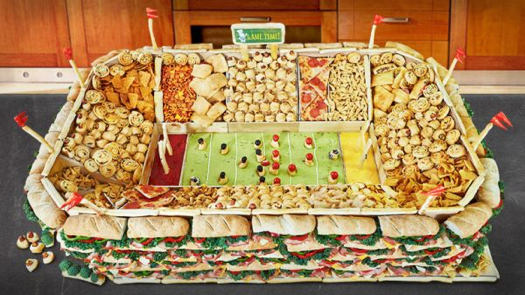
I’d have to say yes, reader Brill. You still see them from time to time. Wedding cakes definitely fall into that category (croquembouche is a sort of wedding cake). The big novelty cakes you see on shows like Ace of Cakes and Cake Boss definitely count. Other than that, cocktail party ice sculptures spring to mind, but you really have to go to a major hotel buffet table to see a big mounted piece these days. The Superbowl notwithstanding, they’re pretty rare nowadays! (Thanks to Pillsbury for the photo)

READ ON

What about that “off-with-his-head” thing?

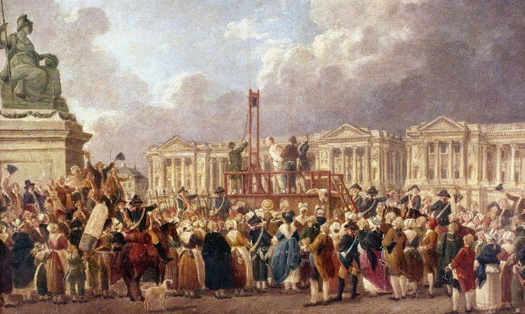
Reader Kevin, who I’m beginning to suspect is writing a term paper on the French Revolution, writes again to ask what led to the Reign of Terror. It’s another great question to which again there may be no easy answer. But I’m always up for flappin’ my fingers on the subject of history…I’ll give it a try. Jump in, proper historians, since I’m bound to slip up at some point here.

It’s popularly thought, at least here in the States, that the Terror happened in the immediate aftermath of the French Revolution of 1789. The peasants stormed the Bastille one day and started chopping off heads the next. In point of fact it did not happen that way. It took another four years from the time of the initial uprisings in Paris to the ascension of Maximilien Robespierre

READ ON