New Shoo

Reader Mike D. generously offers up his grandmother’s recipe for the cause. Thanks Mike!

one 9″ pie crust, unbaked
7.5 ounces (1 1/2 cups) flour
5 ounces (2/3 cup) brown sugar
1 ounce (2 tablespoons) butter or shortening
1 beaten egg
11.5 ounces (1 cup) molasses
6 ounces (¾ cup) boiling water
1 tsp baking soda

Combine the sugar and flour. Rub in shortening to make crumbs. Take out half of crumbs for top layer of pie. Dissolve baking soda in water and add with egg, molasses to remaining crumbs. Mix thoroughly. Pour liquid into unbaked pie-crust. Top with remaining crumbs. Bake 10 minutes at 375°, then 30 minutes more at 300°. Makes one 9” pie.

READ ON
Shoo-Fly Pie Update

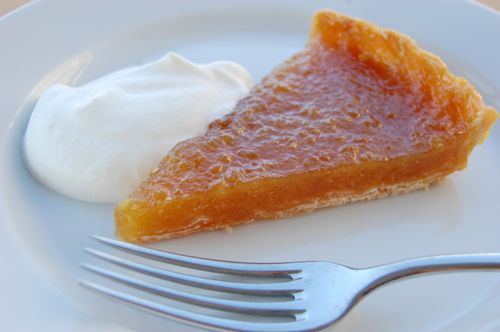
When I’m quiet it generally means one of two things: I’m traveling or I’m having trouble with a recipe. Shoo-fly pie has turned out to be one of those problem children that I didn’t expect. It’s a really weird concoction, basically a thin mixture of water and molasses with some flour and soda stirred in. The idea is that the combination of the bubbles (from the soda) and gelatinizing flour thickens the filling during baking and the result is pie. I’ve mostly achieved that, the problem being that the filling so thin at the outset that it penetrates the crust before it can thicken, creating a sticky film that’s not only unappetizing to look at, it sticks the pie to the pan. So I’m chasing down some old recipes, the ones that have neither any added sugar or extra fat, which only seem to exacerbate the problem. I’m headed back to Amish country, in other words. See you back here shortly!

READ ON

New Spices Alert

It’s getting to be that time of year. Time to throw out the holiday spices you used last year to make your panettone and gingerbread and buy new ones, especially if you bought them pre-ground. You need new cloves, nutmeg, cinnamon, allspice, cardamom, all of that. Expensive I know but you can buy the cheap […]

READ ON

Joe’s Books: How to Be a Breadhead

My bookshelf is getting crowded these days as the publishing world has started taking an interest in me. It’s nice. Though as an aside I have to say I feel conflicted when I get a book that I don’t especially like, since I don’t like to waste precious keyboard time writing negative reviews. It’s a waste of energy for everyone. So I just let those titles sit there…and later feel guilty about it.

That’s not the case with How to Be a Breadhead if you were wondering. It could be that I was inspired to write a few lines about guilt since I’m a Catholic and this book was written by a monk. The subconscious does weird things. I loved this little book. It’s a classic clerical project: full of rough edges like absent photos (for which there are apologies), but also good humor and refreshing humility.

READ ON

Making Treacle Tart

Harry Potter fans in the US may be surprised to know that this sugar pie has been around a whole lot longer than J.K. Rowling. As I discussed last week, it’s an ancient treat older than Dumbledore…even Hogwarts I’ll venture. A good treacle tart is sweet and lemony with just a hint of ginger spice. Served in a small slice — which is all anyone needs of something so sugary — it makes a soothing treat on a cold day.

READ ON

Stevia

I left this out during sugar week, but a few readers out there asked if I’d mention it. I don’t really want to go down the slippery slope of non-sugar sweeteners since there are a lot of them. But stevia is extremely popular these days so…why not?

Stevia, as I mentioned, is not a sugar. It has nothing even sugar-like in it. It’s an extract from the sweetleaf plant that goes by the technical name of steviol glycoside. It’s incredible powerful stuff. The pure form clocks in at something like 300 times the sweetness of sugar, though packaged stevia is only about 50 times as sweet as an ingredient. Even so a mere teaspoon will replace an entire cup of sugar.

But to say a chemical compound is sweet doesn’t necessarily mean it performs like table sugar — especially in baking applications. Stevia is funny in that its sweet flavor comes on much slower than table sugar, so in that sense it’s not quite an equivalent. Then there’s the question of bulk. Sugar does a lot more than make, say, a muffin sweet. It acts as a moisture-retainer and its sheer weight provides a counterbalance to the leavening. So if you’re wanting to bake with stevia you need to take the various factors into account. Many people add apple sauce, yogurt or pulped fruit to compensate.

READ ON

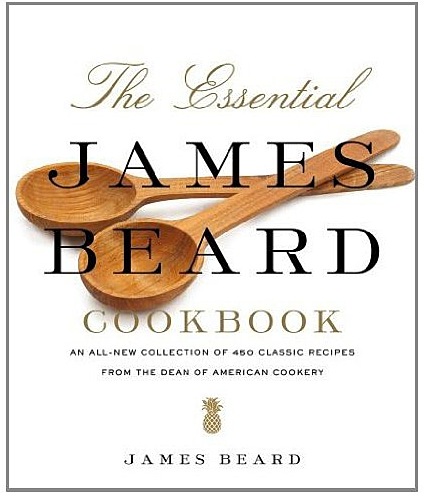
Joe’s Books: The Essential James Beard Cookbook

James Beard is a name hardly anyone knows anymore. Not really. Certainly every food enthusiast knows the name of the foundation that bears his name. We know the little gold seal that goes with the prize-winning cookbooks, best chef chef endorsements and glittering galas that are held each year at Lincoln Center. But few of us know much about the man. His cookbooks are little-known now, save perhaps for Beard on Bread, which for many years was the only really reliable guide for making decent bread at home. Today most of his 22 titles, including his famous American Cookery are considered quaint relics, even when they’re reissued with updated covers and introductions. It’s a shame.

READ ON

On Sugar Pies

Most people think sugar pies like treacle tart and shoofly pie are modern recipes, ultra-indulgences of the sweet tooth born in the industrial age. In fact they’re much older than that. Much. Sugar and molasses pies go back to the earliest days of sugar making in the Middle East. When sugar eventually spread to Europe, Europeans were only too happy to join the sugar pie party, and in time brought their ultra-sweet pastries to the New World.

Looking especially at the treacle tart recipe below you can see echoes of Renaissance cooking: far-eastern spice and a bread crumb binder/thickener. That general approach carries over to shoo-fly pie, though the Germans changed the crumbs to a streusel topping which works just the same or even a little better. Interestingly, it’s thought

READ ON