One “n” or two?

You see “cannelé both ways. Which one is correct? Technically they both are. The modern cannelé has been around in Bordeaux since about the 1920’s. By the 1980’s they became so popular they spread to the pastry shops of Paris, where enterprising pastry chefs flavored them not only with rum, but with citrus, chocolate and other non-traditional additives. Uppity city folks are like that. This alarming development did not go unnoticed by the cannelé bakers of Bordeaux, who decided

READ ON
Next Up: Cannelés

These little unleavened rum cakes have been the bane of my pastry existence for years. So much so that the mere sight of my molds gives me a nervous tic and/or attack of Turret’s syndrome. “Aw, #@$%&*!!!” It’s only been lately I’ve come up with a solution that may solve my exploding cannelé problem. Let’s […]

READ ON

Making Crotins au Chocolat

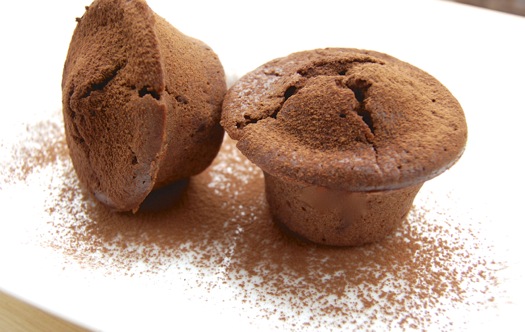
These unusual yeast-raised sweet muffins are unlike any other chocolate cake or bread you’ve ever eaten. Vaguely fluffy when warm, they settle down as they cool to become a bit denser and more decadent-feeling. Though not nearly as decadent as a flourless cake they’re definitely a chocolate kick-in-the-pants, as Mrs. Pastry likes to say, with little bombs of melty goodness throughout. Start by assembling your ingredients and preheating your oven to 350 degrees Fahrenheit. Begin with the sponge. Whisk together the flour, sugar and yeast in a medium bowl.

READ ON

Osmotolerant Yeast

I don’t have a picture of this because I don’t have any and you have to special order it in bulk. What, you think I’m made of money? This is a highly specialized form of instant yeast, actually a different yeast species called Pichia sorbitophila. It was discovered in 1980 infecting a container full of 70% sorbitol, a sugar alcohol. That’s a heck of an unfriendly environment for any small critter, and when it was discovered that sorbitophila produced as much CO2 as other fermenting yeast species (Saccharomyces cerevisiae, Zygosaccharomyces rouxii, Debaryomyces hansenii) a product was born.

READ ON

Pizza Yeast

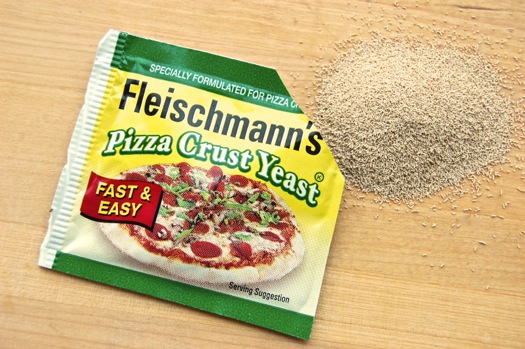
This is a new, you might say “novelty”, yeast the was introduced to the American market in 2010. It’s a form of rapid-rise yeast which as the name implies is specifically intended for pizza makers, more specifically inexperienced pizza makers who want a quick dough that they can mix, shape and bake in 30 minutes. It’s an interesting idea…I don’t know how well it’s selling but it’s received a lot of positive reviews.

READ ON

Why use packaged yeast at all?

Several readers have written in to ask this question, and it’s a good one. Now that home bakers are so widely using bread starters and preferments, why bother with the packaged stuff since it delivers inferior flavor even if the rise is faster? I can think of a few reasons.

Concentrated yeast cultures — brewer’s yeast or packaged yeast — work faster and so create lighter, fluffier breads. Bakers, especially those living in cities, have known this for centuries. These urban dwellers are people who’ve historically had access to brewery leftovers as well as more finely-milled flours. That’s why in general their breads tended to be more toothsome (at least when they weren’t full of sawdust and mice) if not the most flavorful.

READ ON

Rapid Rise Yeast

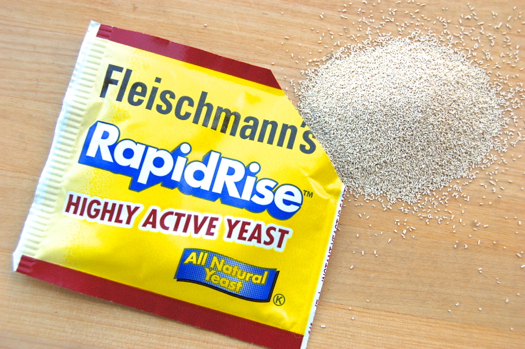
As the name implies this is the fastest-rising of all the various packaged yeasts. A version of instant yeast, it’s made via similar methods but the granules are even narrower and thinner…almost rod-like if you can see them. That means they absorb moisture and dissolve even faster, so they start working, reproducing and making CO2 almost immediately.

READ ON

Instant Yeast

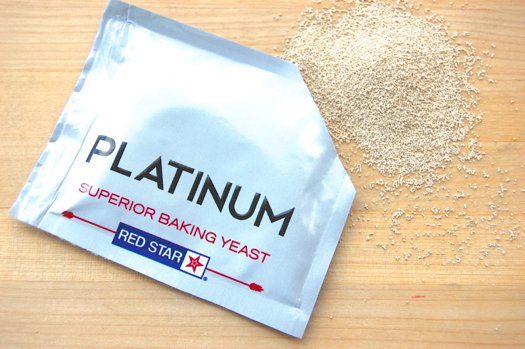
Instant yeast is a form of active dry yeast, just a bit more technologically advanced. Like active dry it’s grown in the fermenting tank, then centrifuged and filtered to remove much of the water. Then it’s mixed with a little oil and extruded in thin threads which are then dried, cut and packaged. The difference is that in the case of instant yeast, the mixture that’s extruded has more live cells, a result of a faster drying process that’s not as stressful on the critters.

READ ON

They Were Expendable

Reader Cassie wants to know why, if sugar kills yeast, how the yeast manages to survive in the chocolate crotin recipe I’m doing this week. That’s an excellent question and the answer is that it doesn’t. Notice in the recipe below that crotins have two stages, a sponge stage and a mixing/baking stage. The sponge is cultured with just yeast, flour, water and a small amount of sugar. Once it’s inflated, full of little yeast-created pockets of CO2,

READ ON

Active Dry Yeast

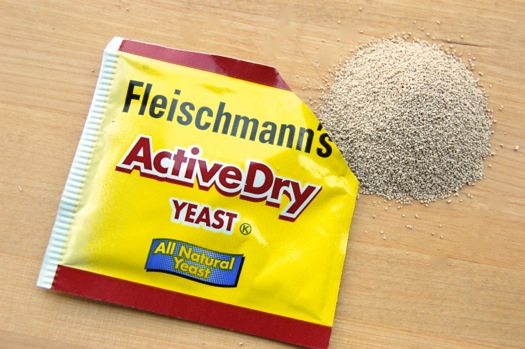
Active dry yeast undergoes a few more processing steps than compressed yeast. After the live yeast is spun out of the fermentation vat and a good deal of the water is removed, it’s mixed with a small amount of oil and extruded in extremely thin little ribbons. Those ribbons are cut up into granules, then the granules are tossed in a powder of some, shall we say, “detritus”…dead yeast cells mostly, to give them a protective coat. At that point they’re fully dried, packed and shipped.

READ ON