Wait, I have an even better idea!

One thing we all tend to forget about the explorations of Christopher Columbus is that they were first and foremost business ventures. Sure, conquest and the greater glory of Spain were part and parcel of the whole exploration dealio, but no one was under any illusions when the Niña, Pinta and Santa Maria left dry dock on August 3rd, 1492: priority number one was to make bank.

READ ON
Whence the Orange?

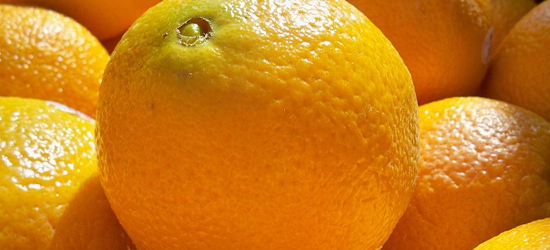
Oranges hail originally from Asia, the most likely place of origin being the southern slopes of the Himalayas, which make up the border between modern-day China and India. Though no one knows for sure, orange cultivation in that part of the world may well date back 5,000 years.

Our word “orange” is a polyglot. Part of it is derived from the Sanskrit word naranga which means, roughly, “perfume inside” and which is the antecedent of the Arabic n?rang and Spanish naranja. By the time orange agriculture spread from Spain and Italy up to what is now Provence in southern France, world had become auranja. Perhaps the “aur” prefix was swiped from the Latin word for gold, aurum, but who really knows? There’s not much that’s definitive in the realm of orange history, hence my prolific use of weasel words and passive constructions.

READ ON

Who was Gaston Lenôtre?

Gaston Lenôtre makes an interesting subject for a post in light of the discussions going on in the comment fields down in the They Ain’t What They Used to Be post. Allow me to explain.

The name Lenôtre is legendary in France, and in food industry circles around the globe. It stands for a man — an exacting and genial fellow who was both respected and loved — but also for a global empire of schools, pastry shops, restaurants and catering facilities. I think of him as the first truly modern master pâtissier, a man who not only had formidable culinary and leadership skills, but an instinctive grasp of the potential of modern techniques, technologies and brands. He embraced it all while still staying true to his quality and craft ideals.

READ ON

Rosace à l’Orange Recipe

This is a Gaston Lenôtre classic, but I’ll be using components from the blog here to put it together. The original recipe uses one of those old foil cake layer pans — the kind you can sometimes still find in supermarkets — as a mold. You can use a 9″ round cake layer pan as a substitute, if you have one with sloping sides so much the better. In an ideal world the oranges should be sliced on a mandoline, since that gives the best presentation. If you don’t have one, a steady hand works almost as well. You’ll need:

1 large navel orange
1 cup (8 ounces) water
1 cup (8 ounces) sugar
2 tablespoons Grand Marnier
about 2 1/2 cups diplomat cream
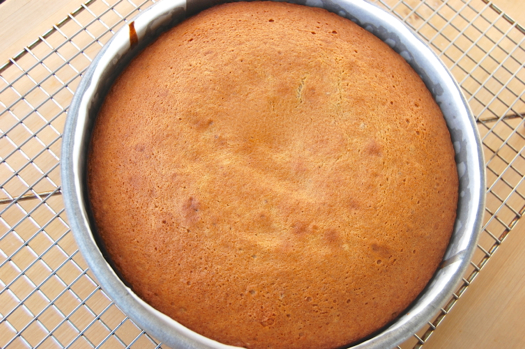
1 recipe génoise baked in a 9″ round cake pan

READ ON

Next Up: Rosace à l’Orange

Reader Ascanius made this excellent suggestion recently and I was quick to agree. This “stained glass” orange cake is a Gaston Lenôtre classic and a perfect holiday season treat. Let’s do this thing!

On a side note, I should say that I love the thought that there are ancient lit-loving parents out there bold enough to name their child “Ascanius” (possibly a father named Aeneas?). That’s probably too much too hope for. Ascanius’ email handle is “vergilius” which indicates that he’s probably just a classics lover. Either way the dude is OK by me!

READ ON

They Ain’t What They Used to Be

Reader Michael writes:

We were sitting around talking about why pastries from bakeries are nowhere near as good as they used to be. It came to me that it may have something to do with lard vs shortening vs oil. My brother commented that Panera used to have cherry danish that was awesome, then they changed the recipe and the result was not worth the effort so he quit eating it.

Perhaps we got our bakery recipes ruined by the corporate mentality that has given us cardboard flavored tomatoes. Then again it could be that the healthy dining freaks have succeeded in making our former “treats” so tasteless that they are not worth eating.

READ ON

Quick Sidetrack: Banana Cake

I had a sudden request to provide a birthday cake for a party for a banana-loving 2-year-old. How do you say no to that? This recipe is virtually identical to my mother’s banana bread, just re-engineered a bit to make it more “cake”-like. I took away one of the three bananas (since bananas are dense) and a third of the flour. I also changed to a layer cake mixing method since a tight, uniform crumb is one of the defining features of cake. The formula now goes like this:

READ ON