You call that “controlled”???

In a controlled experiment carried out by Alcoa Aluminium, 20 kilos (44 pounds) of molten aluminium was allowed to react with 20 litres of water, along with a small quantity of rust.

“The explosion destroyed the entire laboratory and left a crater 30 metres (100 feet) in diameter,” Simensen said.

This, my friends, is what happens when real scientists watch too much MythBusters.

READ ON
Apfelkuchen Recipe

This is based on a recipe from a reader’s Oma — I’m not saying whose so as to protect Reader X from a little old lady’s wrath. An apple kuchen recipe like this is properly called a “versunken apfelkuchen” because the apples are immersed into the batter. I like the presentation with apple halves, but you can slice the apples and arrange them any way you wish. You’ll need:

2 pounds apples — a firm, sweet apple like Golden Delicious
juice of 1 lemon
9 ounces (scant 1 3/4 cups) all-purpose flour, sifted
2 teaspoons baking power
½ teaspoon salt
5 ounces (10 tablespoons) butter, softened
8 ounces (1 cup + 1 tablespoon) sugar
3 eggs
2 teaspoons vanilla extract
zest of 1/2 a lemon
10 ounces (1 1/4 cups) milk

READ ON

Three Layers, One Pan

Reader Erin writes:

I have a question about layer cakes. I am baking a three-layer cake, but I have only one pan. Is it bad to let the batter sit while each layer is in the oven? Or will the cakes turn out fine? The alternative is to divide the recipe into thirds, and only mix one third at a time, but that might be tricky.

Hey Erin! It’s a less-than-ideal situation, no question. However if the leavening is baking powder (versus baking soda) you’ll have a better chance of the last layer coming out alright. Double acting baking powder is called “double acting” for a reason. One action starts to kick in when the batter is moistened, the other doesn’t start to happen until the batter is heated.

READ ON

Cake Syrup Q

Reader Christine writes:

I have been reading that invert sugar preserves moisture in cakes. Which brings me to my question: Do you make/use your own invert sugar in cakes? For most tortes that I make, I use a basic “sponge” I guess you would call it in English. I use only flour, sugar, salt, vanilla, a little lemon zest sometimes, and eggs—separated—no hot water bath mixing. I have a hard time keeping the sponge layer moist, so I’m curious about what you do to achieve satisfactory moisture in a such a layer cake.

READ ON

Next Up: Apfelkuchen

I made a pledge to several readers that I’d get into some German apple bakery this Fall. Apfelkuchen is one of the recipes I promised, so I figure, let’s get to it! Now that my Dog Days of Summer Savory Baking Festival is over, it seems like a fruitful direction (no pun intended). Recipe submissions […]

READ ON

Making Torta di Bietola

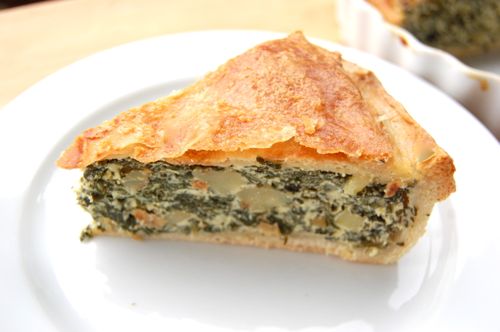
Though this Italian pie is made with Swiss chard (“bietola”), I should point out that the general approach I’ve laid out here can be used with a wide variety of greens (spinach, broccoli rabe, etc.). Or you can banish the vegetables entirely, add more cheese, diced ham and/or Italian deli meats and you’ll have a torta di pasqua, an Italian Easter pie.

READ ON

More Cast Iron Q’s

Reader Stephanie writes:

Two questions for you. Is cast just cast, or is some cast really better than others? I’ve just always gone with the standard lower budget brand, both because I am wary of all things name-brand and over-priced, and because I don’t ‘get’ the enamel on the exterior since I do all of my cooking on the interior of the pan.

I remember a few years ago a friend of mine (a lawyer and I’m a teacher, so clearly different tax brackets) was worried about her young son being anemic. I kept telling her to cook with a cast iron skillet and she kept saying it wouldn’t be worth the expense. Obviously we were talking about different cast iron skillets, but it also made me wonder if there is some information available on how much iron actually leaches into the food.

READ ON

What’s Swiss chard, anyway?

Good question, reader Hillary. It isn’t Swiss, for starters. It’s not clear where it’s from originally, most likely somewhere in the Mediterranean. It’s often claimed to have been appreciated by the ancient Greeks, though it’s really hard to say. Chard has gone by so many names over the centuries. A kind of beet green is what chard actually is. You can see the linguistic connection in the name of this week’s project: bietole…beet greens, in Italian (the word is used interchangeably for both chard and beet greens). See what I mean?

READ ON