Fresh or canned pumpkin?

Every year I get questions from readers asking whether they should consider using fresh pumpkin in their seasonal baking. That’s understandable. It’s the gourmand’s reflex to want to prepare everything fresh and from scratch. However I have yet to meet a professional baker or pastry chef who’s ever recommended getting their pumpkin fresh out of the squash versus simply opening up a tin.

I know how that sounds…but having roasted and scooped my share of fresh pumpkin flesh over the years, I can honestly say that I can’t tell the difference in taste — and I vastly prefer the texture of canned pumpkin. More than that, canned is extremely consistent in terms of moisture content, which eliminates the risk of a watery custard or soggy bread.

READ ON
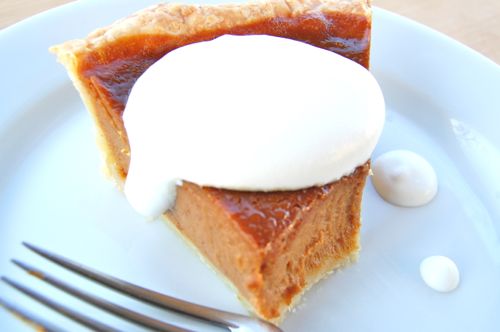
Making Pumpkin Pie

That’s how I like a slice of pumpkin pie: well lathered in semi-whipped cream. Pumpkin is my favorite pie by a Kentucky mile. The fact that it’s relatively low in calories and packed with nourishment only makes it easier for me to rationalize a second or third piece.

Pumpkin has always been one of the easier pies to make: roll the shell, mix the filling, pour the filling and bake. Here I’m complicating matters a bit, but the payoff is big, so please indulge me. Hm. Ever notice how I like to simplify the complicated and complicate the simple? Something I’m just starting to learn about myself. But let’s continue.

READ ON

Oh and…

Something else that’s notable about Simmons’ book, at least for those of us who bake, is that it is the first to document the use of chemical leavening…a very American technique that was originally pioneered by native peoples.

READ ON

An American Orphan Cooks (and Writes)

When did the first “real” pumpkin pie arrive on the culinary scene? Unknown. Pumpkin pies, which were more like squash tarts, started to appear in Europe not long after the first pumpkin “pie” was served at the second American Thanksgiving in 1621. Precisely 30 years later, in 1651, the legendary French chef and cookbook author Pierre la Varenne published a recipe for pumpkin tart: basically sweetened pumpkin mixed with milk and butter. Similar recipes started appearing in English cookbooks within a couple of decades.

It wasn’t until about a hundred years later that the first known custard-based pumpkin preparation appeared in print. It was in America and, appropriately enough, in the first American cookbook ever published: American Cookery, by “Amelia Simmons, an American Orphan.” Simmons’ recipes for “pompkin pudding” are identical to our modern pumpkin pie fillings.

READ ON

Why do pie crusts shrink?

That’s from reader Paul. It’s an often-asked question and one you can’t talk about enough, in my opinion. The one word answer to the question is: gluten. Gluten is a catch-all word for the various proteins found in flour. A great blessing to the bread baker, they’re frequently a curse for the pastry maker.

American bakers have a particular problem with gluten because the gluten found in American flour is very stretchy and elastic. Not so with most European gluten, which tends to be hard. That means Europeans have a much easier time with things like pie doughs, which don’t shrink up in the oven like American doughs do.

READ ON

Why do pumpkin pies weep?

For the same reason cheesecakes weep: because they over-bake and the custard curdles. In other words, the egg proteins in the filling get too hot and start to tighten up into clumps. As they tighten they squeeze out moisture, causing the pie to weep. The filling takes on a grainy texture, and if the process goes on too long, it starts to shrink. Wherever the firmer overcooked spots meet the softer medium-cooked spots, cracks can appear.

The solution is to watch the pie careful as it bakes to make sure you only bake it to the point that it’s done. It’s also a good idea to calibrating your oven before you set out to bake a custard to make sure it isn’t running hot. Granted pumpkin pies are much sturdier custards than either traditional custards or cheesecakes — that’s why they can bake at higher temperatures — but they can definitely be curdled if that high heat goes on for too long.

READ ON

Why do pumpkin pies crack?

Inquiring minds want to know! The reason is because pumpkin pies are custards, and custards are very sensitive to temperature. Cracks happen when one region of the pie heats faster than the other. Usually the areas closest to the rim of the pan cook and firm up first. If this happens too abruptly, the outer portion of the cheesecake can shrink and pull away from the softer inner portion. The result: a crack.

READ ON

Pumpkin Pie Recipe

Is there a trick to a good pumpkin pie? Yes, in fact there are a couple of them. Pre-baking the crust is one, keeping the filling warm-hot until the pie crust is ready is another. Combined, these techniques keep the crust from getting soggy. Other tricks include using a contemporary deep-sided pie pan, which will help eliminate cracking and weeping (for more on that see upcoming posts). You’ll need:

1 recipe pie dough for a single-crust 9-inch pie
16 ounces (2 cups) canned pumpkin
7 ounces (1 cup packed) dark brown sugar
2 teaspoons ground ginger
2 teaspoons ground cinnamon
1/4 teaspoon ground cloves
1/2 teaspoon salt
2/3 cup heavy cream
2/3 cup milk
4 eggs

READ ON

The First Pumpkin Pies

…weren’t pies at all. They were whole cooked pumpkins which were roasted in fire pits, all covered with ashes. It was a technique that the Pilgrims almost certainly picked up from the locals, who ate pumpkin all sorts of ways: raw (as the name makes clear – see below) but also roasted in strips, mashed, dried you name it.

The Pilgrims put a spin on the whole roasted squash concept by cutting off the top, scooping out the seeds and pouring a mixture of milk (or cream), honey and spices into the cavity. Then the whole mess was roasted and the contents stirred together before being dished up in bowls.

READ ON

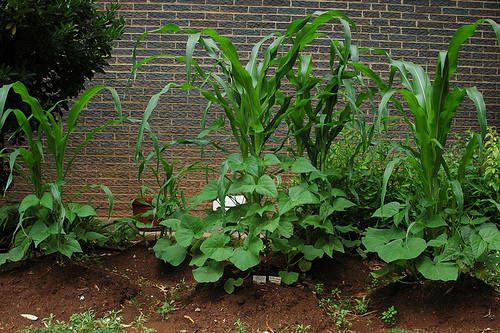
Pumpkin History: The Three Sisters

Pumpkin is a kind of squash. A kind of winter squash to be more exact, and it grows an odd fruit — a berry called a pepo that has a very thick outer wall. That wall, once it’s had a chance to dry out a little, will keep the contents of the fruit fresh for months.

READ ON