Making Ricotta Cream
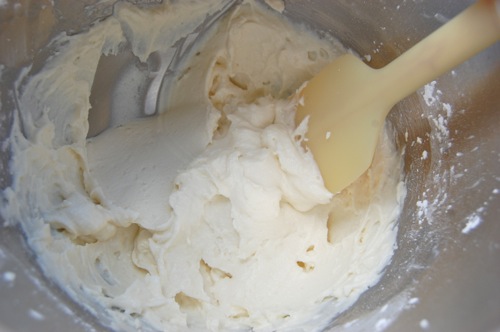
For those who aren’t big fans of cream cheese fillings or frostings (I’m one of those), ricotta cream is a terrific alternative. It’s lighter and fresher tasting, especially when you make it with homemade ricotta. Yet it’s utterly delicious. Served with some sort of crisp cookie garnish, it makes a dessert all by itself. And of course it’s the classic filling for cannoli. Start by placing the ricotta in the bowl of a mixer fitted with a paddle (you can do this by hand if you’d rather).

READ ON
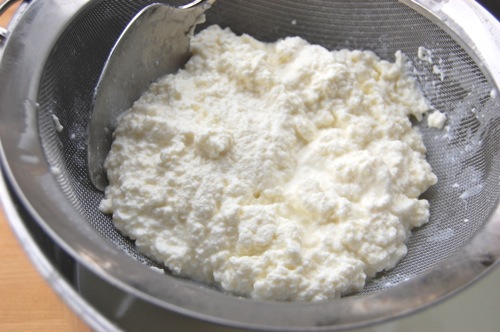
Making Ricotta

Purists may cry foul because this ricotta is made with whole milk (and a little cream), but I say let them. This is the internet. They’re miles away. Classically ricotta is made from the whey left behind after provolone is made. However few if any of us can just nip down to the corner market and pick up a gallon of provolone whey, now can we? And anyway

READ ON

Soap is Good Food

Reader Dorothy asks:

I get a lot of conflicting information about fry oil. Some recipes say you should only use fresh oil, others say old is better. Which is right?

Thanks for that question, Dorothy. The answer is that the perfect fry oil is fresh, but with a tablespoon or two of old oil added. The reason, because while fresh oil gives you a crispier product and less oil soak-in, you need a few old oil soaps to ensure decent browning. There’s plenty more on frying here. Scroll to the bottom and work your way up!

READ ON

Where do cannoli come from?

Sicily, as I’m sure you’ve been able to intuit from the recipe post below. If you’re not familiar with Italian geography, Sicily is an island off the tip of mainland Italy. If the mainland is the “boot”, Sicily is the “ball” the boot is kicking, as it were. It’s an evocative visual metaphor, though I confess I’ve never figured out which ball sport it is that’s played in thigh-length, spike-heeled boots. Whatever it is, I have no doubt I’d have a great time watching it. Especially if the players don’t kick ball around, but rather a honey-baked picnic ham as the map image suggests.

READ ON

What is Ricotta?

Recycling, when you come right down to it. It’s a type of cheese that’s classically made from the waste whey leftover from the manufacture of firmer cheeses. It can be made from cow’s milk, sheep’s milk…goat, buffalo, you get the picture. In Italy there are dozens of styles of ricotta. However what’s common to them all is the method by which they’re made.

You need not be familiar with the intricacies of cheese manufacturing — merely Little Miss Muffet — to know that the cheese making process yields two main components: curds and whey. The curds are what you get when you combine rennet (enzymes) with warm or hot milk or cream. The rennet causes the curd-making proteins known as caseins to draw together into clumps. In the process they trap a good deal

READ ON

Cannoli Shells Recipe

This recipe, like the one for the ricotta cream, is adapted from Grace Massa Langlois’ new book, Grace’s Sweet Life. The only difference is that I left out 2 teaspoons of cocoa powder in the dry ingredients, as I like a blonde pastry shell. Add it back if you prefer a shell with a hint of chocolate in it!

You’ll need a set of cannoli forms to make these, basically little stainless steel tubes that can be had very inexpensively at cooking supply stores. A pasta machine comes in handy for rolling the dough thin (the key to light cannoli shells) but isn’t essential. Likewise, an oval 3″ x 4 1/2″ cutter is ideal for getting the perfect dough shape, but not essential. A round cutter will also work well. Assemble:

READ ON

On Milk and Foam

Drat! I accidentally deleted an email from a Greek pastry student that contained an interesting question. That is: why will cold milk foam but warm milk won’t? The answer is butterfat again, even though milk doesn’t have near enough of it to form a foam that has any long-term stability. It’s still fat crystals (along with some miscellaneous proteins) that are helping to reinforce the bubble walls…temporarily. But butterfat crystals can only form in cool temperatures, so warm milk won’t foam nearly as well.

The worst thing about losing this email is that this particular Greek student offered to share some good recipes with me. So please do write back…because I’m greedy!

READ ON

Ricotta Cream

This recipe is adapted from Grace Massa Langlois’ new book, Grace’s Sweet Life. If you haven’t been to her blog of the same name, I highly recommend that you visit. It’s a treasure trove of Italian and Italian-inspired bakery. Ricotta cream can be used as a filling for all sorts of things, but is most commonly seen piped into cannoli. You’ll need:

1 lb. 6 ounces (3 cups) fresh ricotta cheese, drained overnight
6 ounces (1 1/3 cups) confectioner’s sugar
1 1/2 teaspoons vanilla extract
1.75 ounces (1/3 cup) finely diced candied citron or orange peel (optional)
2.75 ounces (1/3 cup) miniature semisweet chocolate chips

READ ON

Ricotta Recipe

OK, so maybe I’m going a little nutty putting up a homemade ricotta recipe, but a.) not everyone outside of a major city can get fresh ricotta; b.) it’s amazingly easy, but, most importantly; c.) I’m a fermented dairy and/or cheese freak. You’ll need:

2 quarts whole milk
1 cup heavy cream
1/2 teaspoon salt
3 tablespoons fresh-squeezed lemon juice

READ ON