Melon Pan vs. Concha Bread

There’s been a little debate brewing in the comment fields as to the difference between Japanese melon pan and Mexican concha (“seashell”) bread. The Pastry family happened to be out dining on Mexican food this past Saturday and we passed a Mexican bakery. I went in and snapped this close-up photo:

READ ON

Bakers are a resilient bunch.

Reader Aaron, who until recently was in Japan and working at the bakery that was featured in this post a few months back, has this to say about the situation there:

I emailed the bakery and some other friends over there, they are all safe and sound. Anpans (red bean) are being made by the dozen with propane ovens and distributed around town! Many are without electricity, transport and normal food/water supplies. Thank goodness for building codes and modern emergency response. It could have been much worse.

READ ON

On Simple Icing

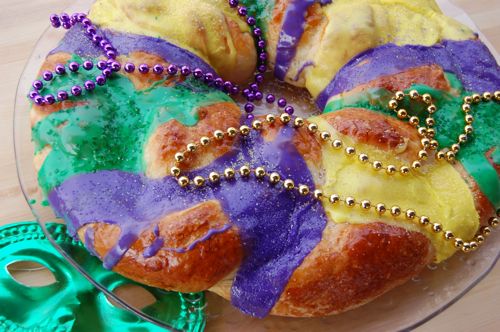
I’ve had several requests to put up a recipe for this over the years, but for some reason have never done it. Probably because I usually just eyeball simple (also called “five finger”) icing, combining powdered sugar and water until I get a texture that suits me. Last week’s king cake project spurred quite a few extra requests for a formal recipe. So here it is!

READ ON

If it’s a sweet cookie-bread, why is it called “melon pan”?

That’s a very interesting question. The “melon” part of the name arises from the fact that one of these looks very much like one of these. And in fact contrary to my original impression, the name has little if anything to do with the flavor. It seems that flavoring melon pan with real melon or melon extract, while it does happen, is a fairly recent development in the history of melon pan. Originally the cookie layer was simply flavored with vanilla.

READ ON

Melon Pan Recipe

Melon pan is an oddity (at least for most of us in the U.S.) in that it’s basically a sweet bun surrounded by a cookie crust. Despite what I’d initially heard about melon pan, the cookie dough actually isn’t flavored with melon, but rather vanilla and perhaps a little lemon zest. The first step is […]

READ ON

And now for something completely different.

We spend an awful lot of time in Europe on this blog. Given that, it seems well past time that we took at trip to the other side of the other pond and did something a little different. This week we’ll be making a Japanese delicacy by the name of melon pan. Sure, I scarcely know what it is and have no experience making it. But since when has that ever stopped me? Should be fun!

READ ON

Making New Orleans King Cake

Though certainly not as refined as their continental cousins, king cakes are sweet, garish pleasures. I confess I was surprised at how good this recipe was. Having eaten nothing but dried out mail-order king cakes for years, this one was tender and delicious. The liquid butter yields a slightly denser crumb than a traditional brioche dough would, though I’d still be interested to try this using my standard brioche dough, since I think that would amp up both the color and the flavor (of the interior). Still there’s no beating this recipe for maximum return on a minimum investment of time and effort. Begin by assembling your ingredients. Sift your flour into the bowl of your mixer:

READ ON

Making Cinnamon Sugar

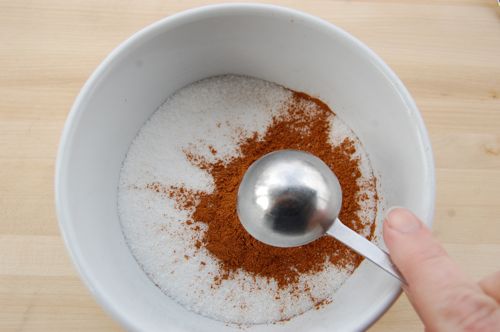
This is another component that’s frequently called for, but is so easy to make that you don’t see a recipe for it very often. Handy for everything from cinnamon toast to Danishes and king cake, it’s made from what it sounds like: cinnamon and sugar. One tablespoon cinnamon to half a cup of sugar, to be precise. Simply put them together in bowl…

READ ON