Why do pie crusts shrink?

That’s from reader Paul. It’s an often-asked question and one you can’t talk about enough, in my opinion. The one word answer to the question is: gluten. Gluten is a catch-all word for the various proteins found in flour. A great blessing to the bread baker, they’re frequently a curse for the pastry maker.

American bakers have a particular problem with gluten because the gluten found in American flour is very stretchy and elastic. Not so with most European gluten, which tends to be hard. That means Europeans have a much easier time with things like pie doughs, which don’t shrink up in the oven like American doughs do.

READ ON
Why do pumpkin pies weep?

For the same reason cheesecakes weep: because they over-bake and the custard curdles. In other words, the egg proteins in the filling get too hot and start to tighten up into clumps. As they tighten they squeeze out moisture, causing the pie to weep. The filling takes on a grainy texture, and if the process goes on too long, it starts to shrink. Wherever the firmer overcooked spots meet the softer medium-cooked spots, cracks can appear.

The solution is to watch the pie careful as it bakes to make sure you only bake it to the point that it’s done. It’s also a good idea to calibrating your oven before you set out to bake a custard to make sure it isn’t running hot. Granted pumpkin pies are much sturdier custards than either traditional custards or cheesecakes — that’s why they can bake at higher temperatures — but they can definitely be curdled if that high heat goes on for too long.

READ ON

Why do pumpkin pies crack?

Inquiring minds want to know! The reason is because pumpkin pies are custards, and custards are very sensitive to temperature. Cracks happen when one region of the pie heats faster than the other. Usually the areas closest to the rim of the pan cook and firm up first. If this happens too abruptly, the outer portion of the cheesecake can shrink and pull away from the softer inner portion. The result: a crack.

READ ON

Pumpkin Pie Recipe

Is there a trick to a good pumpkin pie? Yes, in fact there are a couple of them. Pre-baking the crust is one, keeping the filling warm-hot until the pie crust is ready is another. Combined, these techniques keep the crust from getting soggy. Other tricks include using a contemporary deep-sided pie pan, which will help eliminate cracking and weeping (for more on that see upcoming posts). You’ll need:

1 recipe pie dough for a single-crust 9-inch pie
16 ounces (2 cups) canned pumpkin
7 ounces (1 cup packed) dark brown sugar
2 teaspoons ground ginger
2 teaspoons ground cinnamon
1/4 teaspoon ground cloves
1/2 teaspoon salt
2/3 cup heavy cream
2/3 cup milk
4 eggs

READ ON

The First Pumpkin Pies

…weren’t pies at all. They were whole cooked pumpkins which were roasted in fire pits, all covered with ashes. It was a technique that the Pilgrims almost certainly picked up from the locals, who ate pumpkin all sorts of ways: raw (as the name makes clear – see below) but also roasted in strips, mashed, dried you name it.

The Pilgrims put a spin on the whole roasted squash concept by cutting off the top, scooping out the seeds and pouring a mixture of milk (or cream), honey and spices into the cavity. Then the whole mess was roasted and the contents stirred together before being dished up in bowls.

READ ON

Pumpkin History: The Three Sisters

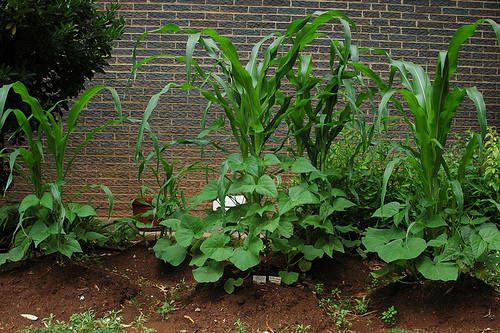
Pumpkin is a kind of squash. A kind of winter squash to be more exact, and it grows an odd fruit — a berry called a pepo that has a very thick outer wall. That wall, once it’s had a chance to dry out a little, will keep the contents of the fruit fresh for months.

READ ON

Fruit without A Proper Name

“Pumpkin” is an American Indian word. You hear that a lot during the holidays. But it isn’t. It’s Greek. Did the ancient Greeks have pumpkins? No, pumpkins as we know them are a New World crop. However the Greeks they had melons and gourds, which is what the original root word, pepon, refers to. The Old French version of the same word is pompon, which sounds a bit more like the word we know.

READ ON

This Week: Pumpkinfest

I’ve had a few different requests for pumpkin-based bakery this past month, pumpkin pie and pumpkin tea bread foremost among them. My thought: why not do them both…and who knows what else? I’m ready for a little seasonal baking!

READ ON

Return to Operation Mincemeat

Reader Barrett, a self-proclaimed true crime fanatic, asks why the Germans didn’t see right through Operation Mincemeat, since:

There are more than a few “tells” that would have betrayed the fact that Martin wasn’t a drowning victim. Even with the technology of the time it would have been obvious: no water in the lungs, etc.. How could the Germans have been so easily fooled?

Ah yes, a very interesting question. The problem for the Axis was simply the game of intelligence and counter-intelligence. Certainly they could have arranged to steal the body and do their own examination. However such a blatant move would have blown their whole operation. Assuming the intelligence Martin was carrying was reliable (and of course it wasn’t), stealing the body would have made it clear to the British that the Germans were on to them.

READ ON