In Praise of White Bread
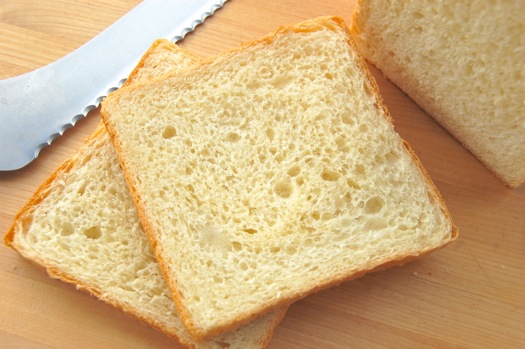
Joe, I don’t like white bread. Yes you do. If you like bread, you like white bread. You might not like it when it’s pre-sliced and sold in plastic bags at the supermarket, but you like it in other shapes and circumstances, I’ll bet you money. If you like baguettes, focaccia, pita bread, fougasse, bagels, brioche, flour tortillas, naan, bialys, pretzels, pizza, pancakes, matzoh, ciabatta, sourdough bread, English muffins, olive bread, chapati, challah, lavash, breadsticks or dinners rolls, you like white bread. In fact if you prefer wheat or rye I’d still argue that you like white bread, because if that loaf is at all light and fluffy, it’s probably made with a least 50% white flour.

READ ON
Making Pain de Mie

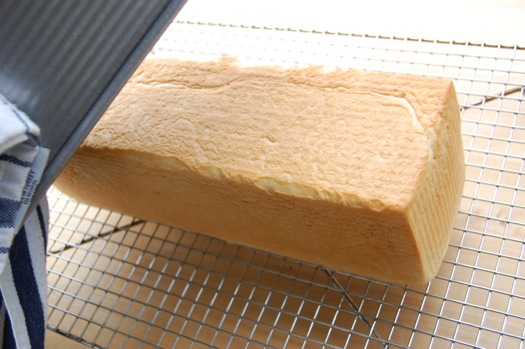
White sandwich bread, also called a “Pullman loaf” or pain de mie, is about as simple and easy as homemade bread gets, especially if you have a Pullman pan, since it eliminates the need to shape and top your loaf. The Pullman pan delivers exactly what it’s designed to deliver: a loaf that is crustless, tight-crumbed, semi-bland and perfectly square. In other words a specialty bread that’s superior for sandwiches, toast, canapés, bread pudding, French toast, the list goes on.

READ ON

Slice of History

Making one’s own sandwich bread really puts a person in touch with early 20th century living. What I mean by that is that one must cut one’s own bread, an act that we Americans haven’t had to perform since 1930. That was the year that Wonder Bread debuted sliced bread on a national scale. White bread officially became a “convenience food” and established itself as a staple of the American diet.

Which is not to say that Americans didn’t eat bread before the automatic bread slicer was invented, they just ate less of it, partly because they had to go to the trouble of slicing it by hand. Who knew that slicing was such an ordeal? Actually I know who: Otto Rohwedder. He was the inventor who understood that by eliminating the step of hand slicing he could bring bread — and commercial baking in general — to an entirely new level.

READ ON

Making Cannelés

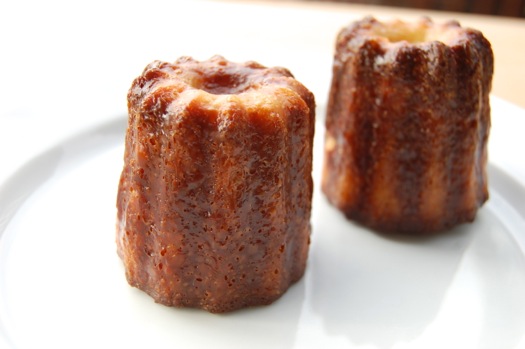
You often hear it said that cannelés are small, eggy “cakes”. Don’t you believe it. Cannelés are custards (with candy-like crusts) and need to be treated as such. I know what you’re thinking: Joe, what kind of custard gets baked at 525 degrees Fahrenheit? That answer is a HIGH HEAT custard, wise guy, and just like a low-heat custard, precautions must be taken to prevent a cannelé from absorbing too much heat too quickly, lest it form lots of bubbles, expand and ultimately break into a grainy, syrupy blob. I’ll explain on the way. Let’s get moving!

READ ON

George Pullman’s Social Revolution

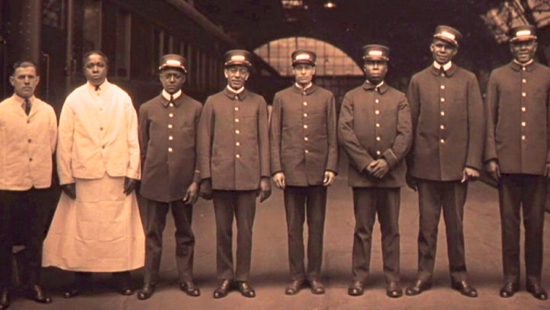
George Pullman would have been one of the most consequential entrepreneurs in American history on the merits of his rail car empire and (failed) worker’s utopia alone. Add in the social revolution he put in motion and it’s a wonder Pullman is such a little known figure today. For indeed Pullman is one of the key figures in the history of American civil rights, directly responsible for the creation of the black middle class.

Er, how did that work, exactly, Joe? Well I’ll tell you. Having read the below posts on the rise of the Pullman sleeper car, you already know that Pullman’s company took off in earnest in 1867. That coincided neatly with the end of the Civil War and the freeing of Southern slaves, a large, and largely unemployed, pool of labor. Pullman recognized that freed slaves would make excellent stewards on his luxury train cars. Many were

READ ON

Cannelé Recipe

There are many cannelé recipes out there, and most are very similar. What I’ve found is that the proportions are nowhere near as important as the process, which is detailed in the photo tutorial.

16 ounces (2 cups) milk
1 ounce (2 tablespoons) unsalted butter
1.5 ounces (3 tablespoons) dark rum
1 tablespoon vanilla extract
pinch salt
8.5 ounces (1 1/4 cups) sugar
1 egg
2 egg yolks
5 ounces (1 cup) all-purpose flour

READ ON

Pullman is a Place, Too

Oh yes it is, and thanks for pointing that out Chicago Joe, if that IS your real name. I mentioned below that Pullman’s factory was located south of Chicago. In 1880 that was true, when Chicago’ population was half a million people. Today Pullman is a neighborhood of Chicago, way down south, off the Bishop Ford Expressway at about 103rd Street. Once it was a rural industrial outpost, built by a man who — like many others of his day — hoped to create a utopia but ended up creating, well, just another place on Earth.

READ ON

What is a Pullman Car?

No one asked that question, but that’s not going to stop me from diving straight in, since the history of Pullman rail cars is simply too interesting. Plus it takes me right back to my ol’ home town: Chicago. And I haven’t been back there in what…a week?

READ ON