Butter Pats and Battleships Redux
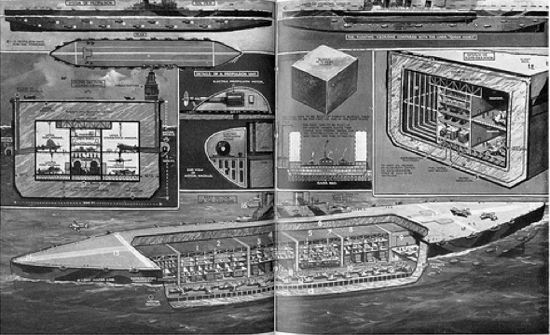
Reader Melody wants to know why flour is added to the butter block at the beginning of the dough laminating process. Melody, I’m very glad you asked that. It all has to do with keeping the butter at the right temperature during the rolling and folding. If it’s too firm it’ll break and chip during rolling, rather than spread. If it’s too warm it’ll soak into the dough layers. A little flour extends the ideal temperature window. For more on how flour does that, check out this post right here.

READ ON
Neither Fish nor Fowl

Laminated pastry makers get hung up on numbers: 243, 729, 2187…the big multiples of three that you get when you fold a three-layer dough-butter-dough packet many times (2187 is the result of six letter-style tri-folds or “turns”). All those layers are what give laminated doughs their texture. Generally speaking the more layers you have in the dough the lighter, flakier and crunchier the finished product will be. Puff pastry has the most layers: 729 (5 turns) or 2187 (6 turns), croissant dough usually has the least: 81 (3 turns) or 108 (2 tri-fold turns plus one 4-ply “book” turn).

Kringle dough generally doesn’t appear in most laminated dough taxonomies since it’s the product of a mere two letter-style turns, which gives it only 27 layers. When the dough is baked up you scarcely know it’s laminated at all. The texture of the crumb is somewhere between a croissant and an enriched yeast dough (like brioche). This is what makes it unique, and also rather sneaky. You might call it semi-laminated.

READ ON

Kringle Recipe

Kringle is what some of us in the States might call a coffee cake. It’s a thick, knot-shaped pastry made from a (slightly) laminated dough and filled with…well, just about whatever you like (see “Fillings” under the Pastry Components menu), though I should say that raisin or almond cream filling is traditional. The formula goes something like this. It makes enough for two kringles.

1 lb. (3 cups) all-purpose flour
2 1/4 teaspoons instant yeast
3 tablespoons sugar
1 teaspoon salt
1 egg, room temperature
8 ounces (1 cup) milk, room temperature
6 ounces (1 1/2 sticks) cold butter
a few tablespoons all-purpose flour
egg wash
streusel and/or nuts for topping

READ ON

Welcome, Christy!

My friend Christy just started a blog called Pretty Easy Living . She’s got a terrific design eye, so if you’re into low cost decorating, you’ll want to keep checking back with her. Speaking on behalf of all us other nerds, it’s nice to have you in the blogosphere, Christy!

READ ON

Product Review: Chef’s Planet Nonstick Ovenliner

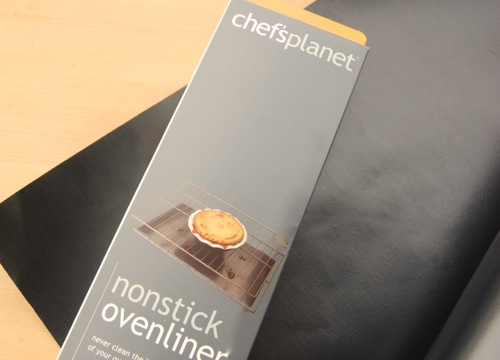
Here’s a nifty idea: for all those who are sick of trying to pry WAY over-baked blobs of blackened pie and casserole filling off the their oven floor, a flexible catch-all liner. It’s a coated fabric sort of thing (technical term), 23″ x 16.25″ inches, though it can be trimmed to match the size of your oven’s interior if need be. The nonstick surface resisted pretty much every bubbly, crumbly thing I threw at it over the holidays, surviving with only a few small dents. Any time I didn’t feel like washing off splatters of au gratin potato, I just threw it in the dishwasher. Problem solved.

READ ON

Back Soon

The rush of Christmas time is always followed by the even bigger rush of the birthday season (Mrs. Pastry and both girls have their birthdays shortly after). Which means I’m swamped. I’ll do my best to get a post or two up over the next couple of days, but for now it’s cake and candles […]

READ ON

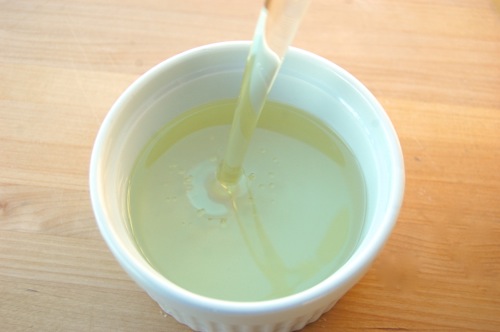
Clarified Butter

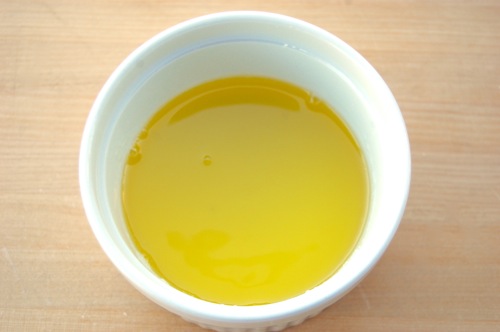
Clarified butter is what you get when you heat butter to the point that the milk proteins curdle and settle out, the minerals and sugars clump and rise to the top, and much of the water boils away. What you’re left with is nearly pure butterfat.

What’s the advantage of that? Well, once all that’s done butter starts to behave a lot more like oil, and that’s a handy thing when you want the flavor of butter but also want to be able to subject it to high heat. If for instance you want to sauté with it or even fry in it. For the clarifying process has the effect of raising the smoke point of butter from around 325 degrees Fahrenheit to around 425 degrees Fahrenheit, which is pretty darn amazing.

READ ON

Oil

Oils are liquid fats. They are derived from plant sources (seeds, nuts, that sort of thing) and like animal fats have been in use by human beings for thousands of years. Speaking generally, they’re used more by cooks than bakers — solid fats are where it’s at for pastry types — but come in quite handy from time to time.

In the pastry kitchen oils are most valuable when they bring little-to-no flavor to the party. Though a walnut or a sesame oil might occasionally be used specifically for its flavor, most of the time pastry makers use oil solely to introduce richness and/or a moist texture into a cake or muffin formula. The same goes for frying, where the aroma of, say, peanuts or corn can muddle the profile of a fritter or a doughnut.

READ ON