Flatbread Science

Many experienced chapati makers have observed that I’m fiddling with tradition here. It’s true. Indeed I am varying the flours and the liquids in order to get to a softer, more toothsome homemade product. Don’t infer from that statement that I don’t think traditional recipes give good results, but ingredients and…ehem…the manipulators of those ingredients, vary highly from place to place. I should be using atta, traditional Indian chapati flour, but I can get any. As a result the all-whole wheat flour and all-water recipes weren’t delivering bread anywhere near as good as I remember from the real Indian meals I’ve had.

READ ON
Is this the life or what?

God love this internet thingamajig. I set out to make potica, and Slovenian grandmothers offer me recipes. I announce I’m making naan, and bakers from India weigh in with tips and advice. Has a baker ever lived that’s as blessed and lucky as I am? I think not! Thanks to all the readers and contributors […]

READ ON

Where’s the History, Joe?

It’s not easy with flatbreads, reader Clay! They are humanity’s oldest form of bread. Indeed flatbreads pre-date wheat! Thirty thousand years ago, flatbreads were made from mixtures of foraged plant and grass seeds, pounded or ground, mixed with water and cooked on flat, hot stones. That basic technique endured for tens of thousands of years, up through the dawn of the age of agriculture, when hunter-gatherers started to settle down on farms and grow large quantities of single crops.

READ ON

Chapati Recipe

Even easier than naan, chapati — also know as roti or fulka — is another go-to South Asian flatbread type. It’s enjoyed in India, Pakistan and many places beyond. The main difference between chapati and naan is that chapati are unleavened, so they’re even quicker to make. They also call for whole wheat flour, which gives them a nuttier taste.

11.5 ounces(2 cups) atta (Indian whole wheat flour, OR
5.5 ounces [1 cup] whole wheat flour plus 5 ounces [1 cup] all-purpose flour)
1/2 teaspoon salt
4 ounces (1/2 cup) water
4 ounces (1/2 cup) whole milk (or yogurt-milk combo)

READ ON

Next?

This flatbread stuff is fun. Let’s do some more! Roti, I’m thinking. Or maybe I’ll switch cultures altogether and do some lavash. Hmm…

READ ON

Making Naan

You know what I really love about flatbreads? They’re great low-investment laboratories for testing out dough formulations. A little more water here, a little more fat there, and suddenly you’re creating your dream…naan in this case. But the fun doesn’t stop with the formulae. You can bake flatbreads all sorts of ways: in the oven, on the stove, on the grill…you name it. So don’t take what I’ve done here as the definitive naan method. Try your own. I’ve just done what I happen to like. Use this tutorial as a starting point for further improvisations. Start by assembling your ingredients.

READ ON

What’s Naan?

It’s a bit of a loaded question. “Nan” is the generic term for “bread” in parts of the Middle East, notably Iran, where the word is thought to have originated. However in India “naan” denotes a particular kind of bread, which is to say flat bread that’s baked in a tandoor.

Which raises the question: what’s a tandoor? It’s a pot, basically. A tall, thick clay pot with a charcoal fire at the bottom. Like many types of masonry ovens, tandoors get extremely hot and are great for cooking all sorts of food. You can insert skewers full of meat and vegetables into them, for instance.

READ ON

Naan Recipe

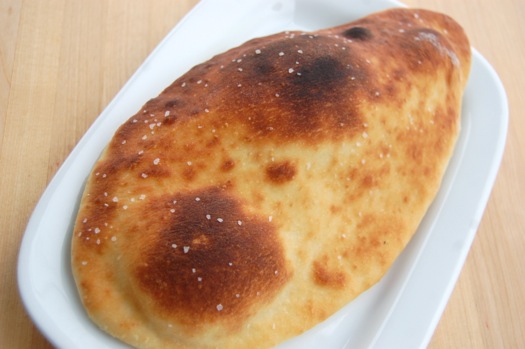
Naan present some of the same challenges pizzas do: how to cook both the top and bottom to charred deliciousness in a home oven? It’s a bit of a dilemma given that both types of flat bread are traditionally baked in extremely hot wood or coal ovens (a tandoor in the case of naan, a wood oven in the case of pizza). This technique, that combines a hot oven with the broiler, is my preferred solution. Alternately you can grill naan or fry them in a cast iron skillet, both popular techniques. You’ll need:

11 ounces (2 cups plus two tablespoons) all-purpose flour
1 teaspoon instant yeast
a generous pinch of baking powder
1-2 teaspoons sugar
1 teaspoon salt
4 ounces (1/2 cup) milk (room temperature)
4 ounces (1/2 cup) yogurt (room temperature)
1 ounce (2 tablespoons) olive oil
More oil and coarse salt for a topping

READ ON

Next Up: Naan

Those of you who follow my bread posts know I tend to favor simple, same-day breads. Naan is one of those, and once you try it you’ll find it habit-forming. Mrs. Pastry is making Indian food tonight, so let’s do this thing!

READ ON

Black and Whites: Second Try

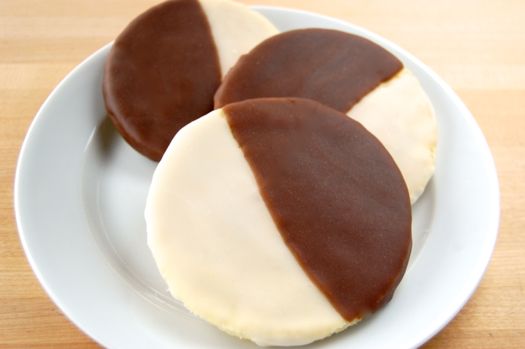
There we go. Now that looks more like something you’d see in a Manhattan pastry case, no? Forgive me but I couldn’t leave these alone until I’d gotten a little closer to the ideal. Actually this was my fourth try, as it took three attempts to get the cake where I wanted it. This last pass was all about finishing. What did I do differently? For starters I trimmed the cookies perfectly round with a round cutter after they cooled, like so (four inches worked perfectly for most of them).

READ ON