Unknown Heroes of Horticulture: Edmund Albius
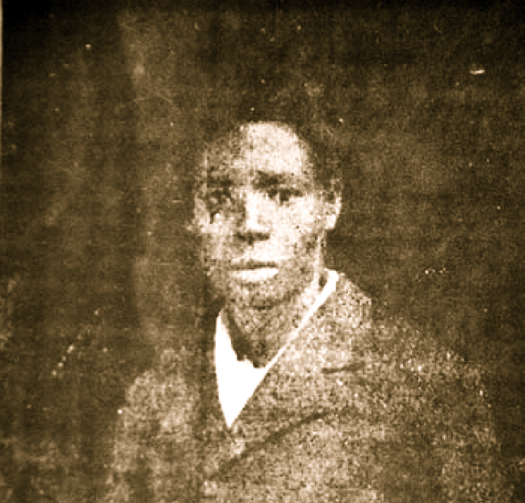
Reader Neko writes to say she’d like a little more information on where vanilla originally came from and how it came to be cultivated in places like Madagascar. Neko, I’d be delighted to write a little on that subject. In short, the history of vanilla is one of expropriation. It was originally cultivated by a coastal Mesoamerican people called the Totonac. They were conquered by the Aztecs who were in turn conquered by the Spaniards, from whom vanilla was stolen by the French and taken to the island of Réunion in the Indian Ocean.

READ ON
Troubleshooting Banana Bread

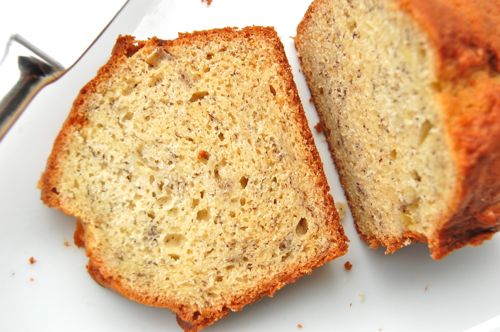
Reader Gerhard, one of the world’s all-time great banana bread enthusiasts, reports that his bread has been getting steadily paler over the years. At least compared to the deep golden brown that he used to get and prefers. He wonders: why that might be? Could banana cultivars have changed any over the years? Maybe his flour? Or could it be some other factor?

READ ON

Mont Blanc: A Revised Ascent Plan

I had a chance encounter with a Swiss pastry chef over the weekend. Being both highly educated and from a mountainous European country, he of course knew quite a lot about mont blanc. He described what he considered to be the “new conventional” approach to the pastry: a tartlet crust filled with frangipane, chocolate mousse or whipped ganache; a meringue center, and; a “chestnut cream” vermicelli on top made from chestnut paste folded together with buttercream.

READ ON

Cheap Ingredients, Of Thee I Sing

I’m back and road-weary, but not too weary to enjoy the comments and emails from the last few days. Some of the most enjoyable have read, in essence: Joe, in the last week you’ve dumped on both gourmet salts and real vanilla, are you on some sort of project to tick your readers off? That’s a fair line of inquiry since I wondered the same thing myself!

To answer the question, I’m not on some sort of temperamental bender, rather just expressing a core Joe Pastry belief: that ingredients are only part of what a baker needs to make superior pastry. Technique and understanding matter as much, even more. So I endorse cheap ingredients, especially chocolates, salts, flavors and whatnot. Not necessarily the cheapest mind you, since the very cheapest flours, sugars and butters can actually ruin a project. But you know, just the normal, middle-of-the-road stuff. In the right hands the so-so can be elevated to the miraculous. Just ask anyone with a grandma who bakes!

READ ON

Good Vanillin, Bad Vanillin

It’s worth noting that the original Cook’s Illustrated article on imitation vanilla drew a distinction between high and low quality imitation vanilla, and stressed that you should go for the good stuff. But that raises the question: what’s the difference? Primarily, in the types of vanillin the extract includes.

READ ON

Vanilla and Vanillin

Reader Joey asks: why do we need imitation vanilla extract, and where does it come from? Both very good questions. The reason we need imitation vanilla is because demand for vanilla flavor exceeds the total quantity of naturally-produced vanilla by something like 750%. So, if we didn’t have imitation vanilla extract, a typical $2 vanilla bean would cost about fifteen bucks. Which would make one heck of a pricey pot de crème, n’est-ce pas?

READ ON

“Beaver Butt” My Eye

Remember the schoolyard rumors from all those years ago about ground worms in McDonald’s hamburgers? Spider eggs in chewing gum? Well over the past couple of years there’s been another one: beaver anal gland exudate, a material called castoreum, in imitation vanilla. The stuff was once described by a cosmetics formulator as having some “vanilla-like” notes. Once those words were uttered it wasn’t long before the vanilla extract rumor hit the streets. Given its patent absurdity, it’s achieved surprising traction. No less a person than Jamie Oliver repeated it on the David Letterman show in 2011.

READ ON

Imitation Vanilla???!!!

Yes, yes it’s true that I do indeed use imitation vanilla more often than any other type of vanilla. Why? Well, many of you out there may remember about eight years ago when Cooks Illustrated released the results of a blind taste test in which a panel of bakers and pastry chefs picked imitation vanilla over real vanilla as being more vanilla-y in applications like cookies and cakes. I was amused by that but never really believed it until one fateful month when my revenues were down and I couldn’t quite rationalize another $120 jug of real vanilla emulsion. I felt guilty, but I ordered a $29 jug of imitation vanilla instead and put some of it in my doughnuts.

READ ON

Cornstarch-Thickened Liquids: Why They Thin When They Cool

Reader Zavia wants to know why corstarch-thickened soup sometimes thins out as it cools. The answer is that it depends on what’s in the soup. If there’s much fat, it could have prevented the cornstarch granules from absorbing enough water to begin with. Which is to say, the starch granules didn’t get a chance to fully swell, and then released the little bit of water they had when the mixture cooled. The result: thinning. Try stirring in a little more water into the cold soup, and see if that helps it thicken. If it works add a little more water until the soup is back to the texture you want.

READ ON