Potato History, Short & Sweet

Once, the sweet potato was the only potato any that self-respecting Brit or European would eat. When a basket of potatoes — both sweet and starchy — was dropped at the feet of Queen Isabella by Christopher Columbus her reaction, in a word, was “yuck”. And so potatoes weren’t terribly popular in Spain nor anywhere else in Europe for quite some time. Up until the 1700’s or so they were mostly used as animal feed and as a food of last resort for farmers, fishermen and sailors.

READ ON
That Healthy Glow

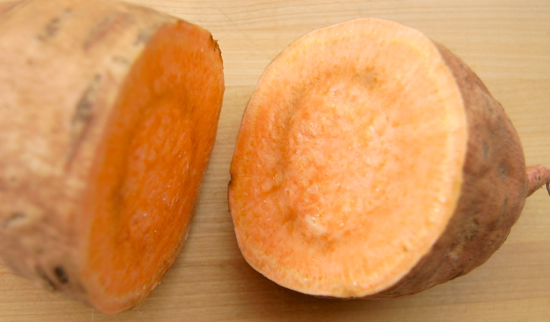
Reader Lucy wants to know if there’s beta-carotene in sweet potatoes, and if there is, is it really true that too much beta-carotene can turn your skin orange? The answer is that it can indeed, Lucy! Turning orange as a result of too many carotenoids is a clinical condition known as carotenodermia. It’s harmless, usually seen in babies (and aggressive vegetarians), but it can give the skin a noticeable orange-y or yellowy tint. Supposedly, pediatricians are seeing a lot more carotenodermia these days, presumably…

READ ON

Where does sweet potato pie come from?

America is the short answer. There’s little doubt that pies containing sweet potatoes were being made in the British Isles (and almost certainly other parts of Europe) ever since the explorers first brought the things back from the New World to the Old in the 1500s. Still a true sweet potato pie — which, like pumpkin pie, is actually a cooked custard in crust — didn’t appear until much later, and then in the States.

READ ON

Sweet Potato Pie Recipe

Sweet potato pie is one of the glories of Southern cooking. The best ones really taste like sweet potato instead of pumpkin, which happens a result of pumpkin pie spice (ginger, nutmeg, cloves, allspice, etc.). A little nutmeg and some brown sugar are really all you need to bring out the best in the spuds. You’ll need:

1 recipe pie crust for a single-crust pie
about 1 1/2 pounds sweet potatoes cut into chunks
1 cup sugar
2 ounces (1/2 stick) very soft butter
3 eggs
1 teaspoon vanilla extract
1 to 2 tablespoons bourbon (optional)
1/4 teaspoon salt
1/2 teaspoon fresh grated nutmeg
1 cup milk
1/4 cup dark brown sugar

READ ON

Er, you have to “cure” sweet potatoes?

I’ve received a couple of questions along those lines the last two days. The answer is yes, but only if you’ve grown them yourself. Grocery store sweet potatoes are cured before they get to market. But what is this mysterious “curing”? What do sweet potatoes need to be cured of? Good question. Basically curing is a process by which the potatoes are stored for 10 days or so at a temperature of about 85-90 degrees Fahrenheit. It initiates the process by which the potato’s starches convert to sugars, and gives them their characteristic flavor.

READ ON

Next Up: Sweet Potato Pie

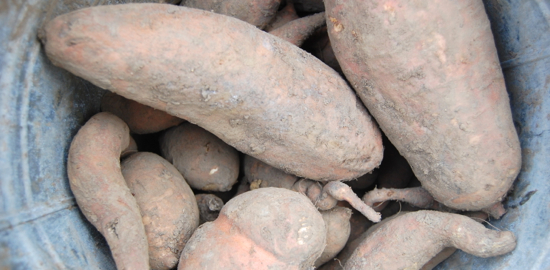
We grew a bumper crop of sweet potatoes here at Chez Pastry this year. Those vines pretty much took over our garden at the end of the season, in fact. We dug them, we cured them and now we’re ready to eat them — just in time for Thanksgiving. Let do this thing.

READ ON

Making a Fraisier

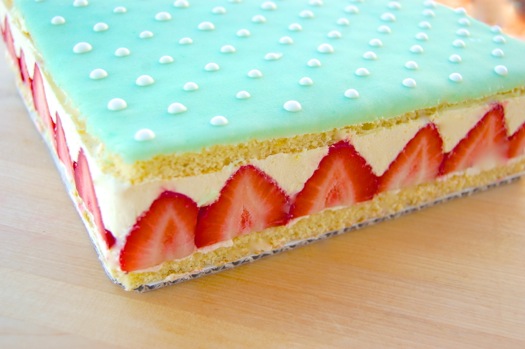
There’s nothing like a fraisier for drama. It’s got shape, it’s color, it’s got motion…and all that before you even take a bite. A fraisier isn’t a cake, it’s a gâteau, which is not a fancy French term for the same thing. Rather the word denotes a structure made up of various fruit and/or cream layers, all supported by thin layers of sponge. The fraisier gets its name from the French word for strawberry, and you can see why. This thing is packed with fruit, all held in place by an extremely rich crème mousseline filling and topped with cognac-infused sponge cake and marzipan. It ain’t messin’ around.

READ ON

Gish

Several good comments and emails the last day or two about génoise and the relative benefits of the classic stuff versus some of the more toothsome alternates. Each side has a point. On the one hand traditional génoise can be quite dry, but then that’s what cake syrup is for. You can add entirely new dimensions of flavor and texture by gettin’ jiggy with the spices, extracts and liquors.

On the other there’s no denying the appeal of a sponge that’s moist and tender from the get-go. Indeed we on this side of the Big Drink are disposed to tender cakes already, so a fluffy sponge is an easy sell here. Maybe it’s the American in me, but I’ll almost always prefer a tender sponge cake over a drier one. Also I confess I can’t stand the texture of a sponge that’s awash in syrup. If you’ve ever been to a wedding and wondered why is this cake WET inside?, you know what I mean.

READ ON

Easy Marzipan

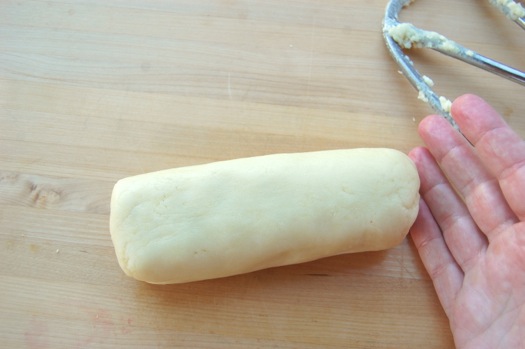
The truth is that sometimes I just don’t have time to go for the gold and make my own marzipan from scratch (i.e. from almonds). However there’s still value in doing it yourself, even if your base ingredient is store-bought almond paste. It just tastes better. All you need to do is combine an 8-ounce can of almond paste with 7 ounces (1 3/4 cups) of powdered sugar in the bowl of a stand mixer fitted with the paddle.

READ ON