The Pig War

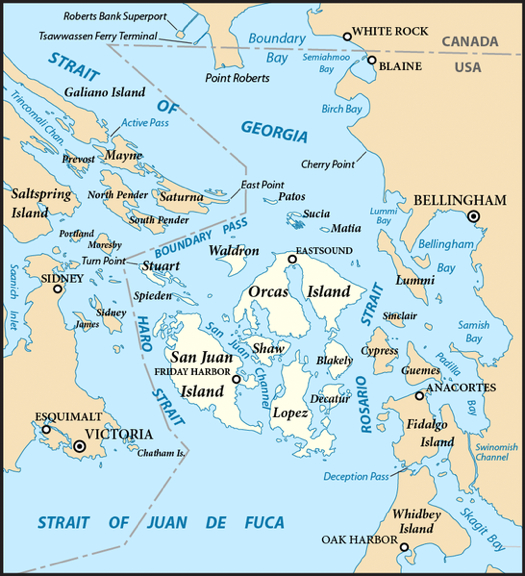
Speaking of British pigs, did you know that Britain and America nearly got into a shooting war over British pigs in 1859? Actually it was just a British pig, which was owned by an Irishman by the name of Charlie Griffin and shot by an American settler by the name of Lyman Cutler. The whole episode transpired on San Juan Island, at tiny five-mile-long piece of land off the Washington State coast not far from Seattle. I know the story because I spent many months there after I graduated college, tending bar and doing my best to hide from work, responsibility and the grownup life generally.

READ ON
Tell us about pigs, Joe!

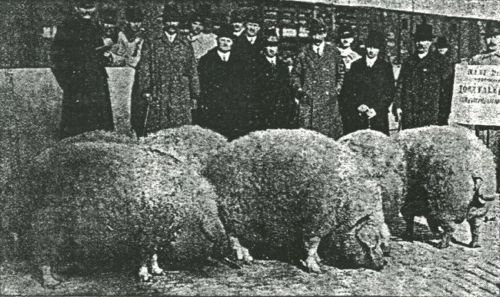
That’s a big subject, reader Bobbi, no pun intended. I’ve already written about pigs in America but that’s a pretty easy since historians can point to a clear arrival date. The British pig is a lot harder to pin down. No one knows for sure when pigs or their wild ancestor, the wild boar, first got to the British isles. What is known is that boar were present there a minimum of 6,000 years ago, the time when neolithic humans arrived, as they appear in neolith art. Prior to that it’s anybody’s guess, for the truth is that pigs in their wild form are among the most widely distributed large mammals in Eurasia and Africa. Only the dog was

READ ON

Where does gelatin come from?

No not horses, reader Alec, that’s a myth. Hooves don’t have any collagen in them to speak of. That myth arose from the days when gelatin was made from cow’s feet — waste items from rendering plants (glue factories). The stuff looked awful and smelled worse, or so I understand, which is why cooks in those days had to clarify the gelatin they used, then add plenty of coloring and flavoring.

READ ON

Making a Pie Dolly

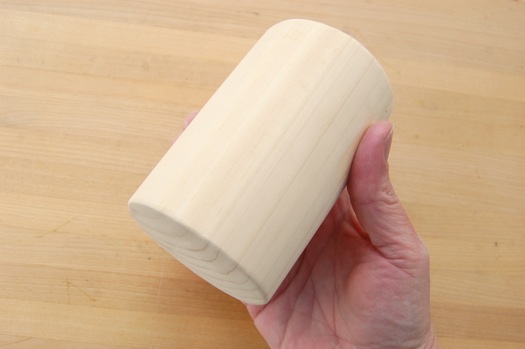
Here’s a piece of kitchen gear you won’t find at the corner specialty shop: a pie dolly. It’s used for making “raised” pies in the British style, “raising” being the act of drawing pie dough up and around a wooden form to make the shell. It’s then filled, topped with a dough round, crimped and baked.

READ ON

Whew!

What a weekend. What a month, actually. All the ladies in the house have birthdays around the same time, which means a steady regimen of shopping, decorating, cooking and baking. The little ones have two events each, one for family one for friends. Neither are big but both need to have their own vibe, so […]

READ ON

Cocoa + Hot Water = Flavor

Reader Ellen asks why both the chocolate cake layer recipes on the blog call for combining the cocoa with boiling water as a first step. Ellen, this is some of the most important secret learning on the site, so I can’t repeat it often enough: when you combine cocoa powder with hot water you get twice the chocolate flavor you’d get if you simply combined it with cold water or milk. This priceless information was told to me by none other than cake uber-expert Rose Levy Beranbaum, who I once had the pleasure of interviewing. Beranbaum told me she learned it from an in-house food scientist when she consulted to Duncan Hines. The curious

READ ON

Is lard strictly necessary?

I’m afraid it is, ready Sally. And leaf lard in particular. The question is: why? Why won’t butter work just as well? There are a few reasons. The first and most obvious is that butter won’t deliver the same porky flavor, which is all but necessary for a classic pork pie. However there are some functional reasons why you need lard for this particular pork pie.

READ ON

English Pork Pie Recipe

A classic pork pie has three components: crust, filling and “jelly” or a gelatin-thickened stock which is poured in through a hole in the top crust while the pie is still warm from the oven. Why the jelly? Because these pies bake for a good 90 minutes. In that time the fresh pork is going to lose some if its moisture. The jelly is a way of putting back some of that moisture, as well as adding extra flavor. Notice my recipe calls for powdered gelatin. If you prefer you can make the stock the traditional way by adding two fresh pork trotters (feet) to the stock. Me, I’d just as soon let the good folks at Knox smell up their kitchen with feet, that’s what I pay them for.

For the Stock

2 pounds pork bones
1 bay leaf
about 20 black peppercorns
1 carrot, diced
1 medium onion, diced
1 celery rib, diced
small bunch fresh parsley
several sprigs fresh thyme
powdered gelatin (one envelope [2 1/4 teaspoons] per 2 cups of stock)

READ ON

Speak to Me of Pork Pies

Well it’s not easy. There are a lot of different kinds of pork pies in England. However they fall into two broad categories: those that are made with cured pork products — ham, bacon, sausage, loin and the like — and those that are made with fresh, uncured meat. Of the latter the most famous come from a town called Melton Mowbray up in the Midlands of England in the County of Leicestershire (which is how the British spell “lester”). There

READ ON