Sorghum

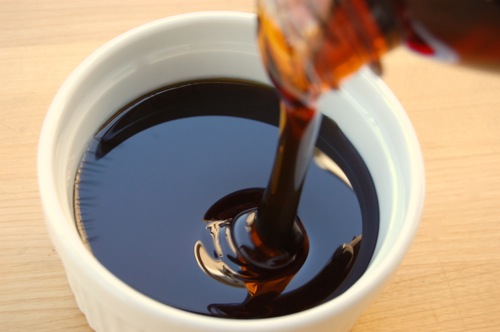
Sorghum syrup is, generally speaking, something you only see in households in the upper Midwest. Sorghum, like sugar cane or wheat, is a grass. It produces heads the size of corn ears that contain small seeds, about the size of millet. Farmers once grew sorghum for cattle feed. The grain itself is nutritious, and the stalks can be stored and fermented into silage, i.e. edible compost that cows can live on during the winter.

READ ON

Agave Syrup

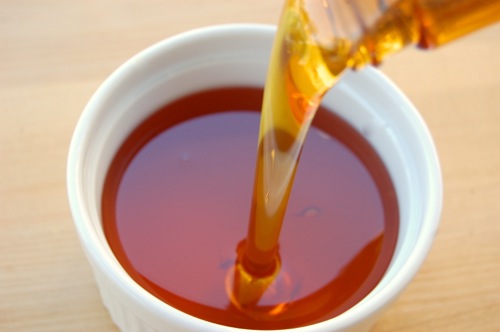
Agave syrup (sometimes called agave “nectar”) is the reduced juice of the blue agave plant. It comes from Mexico as well as South Africa. By no coincidence whatsoever blue agave juice is also what tequila is made from, since all those sugars can be just as easily fermented as boiled down into syrup.

READ ON

Malt Syrup

The Chinese have been making malt syrup for thousands of years. In fact up until the mass adoption of cane sugar, it rivaled honey for its popularity. The technique is pretty neat. It involves the “malting” — which is to say “sprouting” — of barley grain in pans of water. Once the seeds have germinated, the sprouts are dried and ground up to make a powder.

READ ON

Refiner’s (a.k.a. “Golden”) Syrup

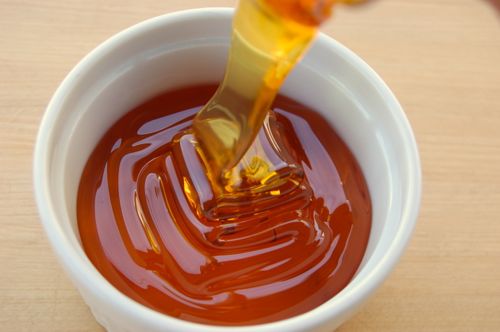
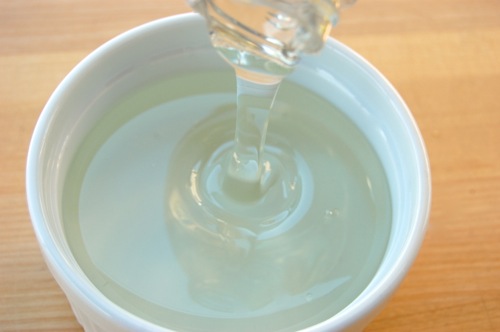
Refiner’s syrup (also called “golden syrup”) is made, as the name implies, at a sugar refinery, not at the sugar mill which is where molasses is produced. It’s a by product of the making of white sugar, the final “molasses” that’s produced when white sugar is centrifuged. It contains mainly sucrose and water when it’s first spun out, but is treated with acid (or sometimes the enzyme invertase) to create a proportion of invert sugar. For more on sugar refining, see my (now integrated) primer on sugar making.

Refiner’s syrup can make a fine alternative to either molasses or corn syrup depending on the application, though since it tastes every bit as sweet as table sugar you need to be careful about overloading your recipe with sweetness.

READ ON

Molasses

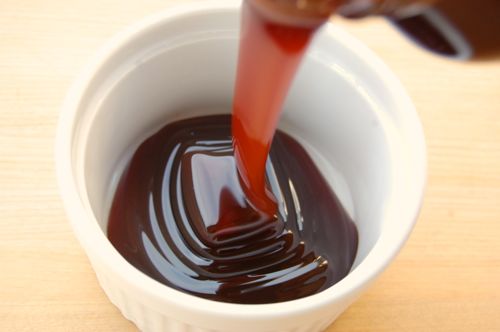
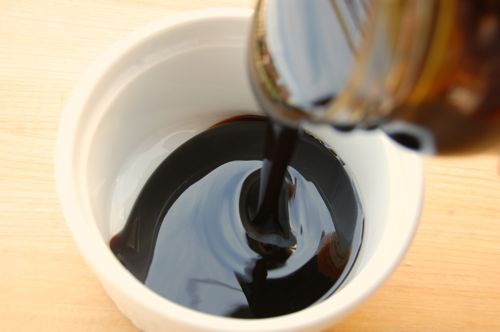
Molasses as you know is a by-product of the sugar making process. It can be made from either cane or beets, though beet molasses isn’t used much here in States (Europeans do use it some, however). As was mentioned in the sugar posts from last week, sugar is made by adding “seed” crystals to a volume of long-cooked, drastically reduced cane juice. The mixture forms crystals and the whole mess is then spun in a centrifuge (basically a big basket lined with cloth) and the thick liquid molasses is pulled out via centrifugal force.

READ ON

High Fructose Corn Syrup

We hear a lot about the evils of high fructose corn syrup (ominously initialized HFCS) these days. It’s the packaged food industry’s most pervasive sweetner, found in everything from Coke to ketchup. Anything that broadly used simply must be evil — an articifially created, chemically modified, fatally addictive hypno-crack. A team effort by the National Corn Growers Association, Columbian drug lords, Dow Chemical, Karl Rove and Satan.

READ ON

Corn Syrup

Since 1811, the year Gottlieb Kirchhoff combined sulfuric acid with potato starch and created syrup, scientists have been aware that starches are rich sources of sugar. The problem for the next hundred years or so was how to produce it on a mass scale. In time it was discovered that plant enzymes (non-living organic molecules that perform specific tasks for living organisms) could do the job just as effectively, breaking down (hydrolyzing) long-chain starches into their sweet-tasting pieces.

READ ON

What is a Syrup?

Quite simply it’s a flowing mixture of sugar and usually at least a little water. That water is partly responsible for the fact that most syrups, despite their sugar concentration, don’t crystallize easily. But there’s usually something else in there that inhibits crystallization, a little something called invert sugar. Invert sugar is a term that gets tossed around quite a bit in cooking and baking circles, about as much as “caramelization” and “Maillard reaction.” But what exactly is it?

Basically, invert sugar is a mixture of sucrose (25%) and its two component sugars, glucose and fructose (75%). Invert sugar exists in nature but is usually made by humans for various culinary and scientific applications. You get it by making a mixture of sucrose (table sugar) and water, then heating it and adding an acid. In the kitchen that acid can be lemon juice, tartaric acid, vinegar or any number of others.

READ ON