Making Napkin Dumplings
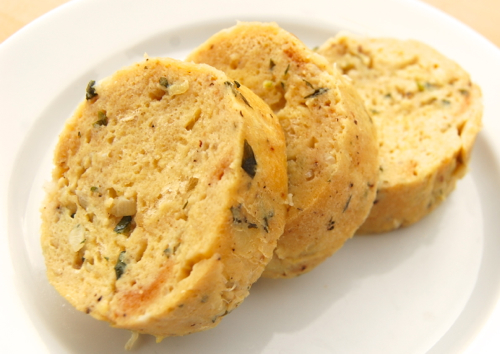
Of all the many uses for stale bread, napkin dumplings rank near the top. I remember the first time I was served these in a Bohemian restaurant in Berwyn, Illinois. I thought: where have these been all my life? Then immediately after that: please pass the gravy. Napkin dumplings are called napkin dumplings because they’re traditionally boiled in napkins. Here’s I’m using plastic wrap and foil, but honestly I think the traditional napkin method may be superior for reasons you’ll soon see.

READ ON
Attention Apocalyptics!

The banks are open for several more hours, which means there’s still time to transfer your assets over to me before the world ends tomorrow. Cash or money orders are preferred, but I’ll also gladly accept vehicle titles, blank checks and powers of attorney. So all you true believers, click on the link to the left to send me an email and I’ll forward the numbers of my various Swiss bank accounts.

For those of you out there who aren’t so certain, but may be experiencing anxiety about the Mayan calendar, I have it on good authority that the world actually isn’t going to end tomorrow. What authority is that? Why an indigenous Zapotec, a native of the Yucatán, who spent this past week weekend with us celebrating his birthday. I know what you’re going to say: “Indigenous peoples don’t have birthdays, Joe.” Actually that’s true. But even though Victor grew up speaking the Zapotec language, he likes cake and candles like everybody else. We were pleased to have him.

READ ON

Napkin Dumpling Recipe

Some of the old Bohemian bakeries in the near west suburbs of Chicago used to sell “dumpling bread”: cubed, stale white or wheat bread in bags. You can easily make your own by letting the cubed bread sit out overnight, or by gently toasting the cubes in a low (200 – 250 degrees Fahrenheit) oven. Just don’t brown them since the dumplings should be uniform on the inside.

You’ll notice that making napkin dumplings is a lot like making turkey stuffing. And in fact napkin dumplings follow many of the same rules. They should be flavorful but not terribly salty, since gravy will be applied. They can be simple or fancy. You can make them basic, or you can dress them up with ham, bacon, mushrooms, chives, garlic and just about any spice or herb.

As for the cooking, these dumplings are traditionally boiled in napkins. I’m going to update the process a bit by using plastic wrap and tin foil, since that will both keep the dumplings from getting waterlogged and hold in all the flavor. Make yours like so:

READ ON

Breaking the Génoise Ceiling

I don’t normally go in for gender politics, but the recent announcement by Hasbro that they’ll be making a gender-neutral Easy Bake Oven has me fist-pumping over my keyboard. Way to go, gang! Speaking from my own experience teaching after-school baking classes to grade schoolers, there’s definitely a market. A little first grade fellow I met this term is the best student I have! Too bad we have to wait until February!

READ ON

Joe Flaunts His Geek Creds

Thanks to reader Kirsten who gave me the heads up about this month’s episode of The Flog, which features a recipe by yours truly. If you don’t know the show, it’s what you might call a “lifestyles” web series created by Robin Thorsen and Felicia Day of The Guild fame. And if you don’t know The Guild, well then odds are you aren’t a nerd. Many thanks to Robin and Felicia, who kindly requested permission to use the material all the way back in March or something. I’m delighted to be part of the show. Keep up the great work, ladies!

READ ON

Next Up: Napkin Dumplings

Reader Linda asked me to help her re-create the dumpling of her dreams, a sliced bread type that she first encountered at a Czech restaurant in Ohio. The good news there is that back home in Chicago I once had a Bohemian girlfriend (not the lifestyle choice, the actual ethnicity). I learned a lot from that girl, especially about starches. At her family dinners we ate starches beside other starches, on top of other starches, and stuffed inside of other starches.

It’s because of one particular New Year’s Eve I spent with the Polish side her family (also big-time starch buffs) that I can’t eat pierogis anymore. All my other high school friends were elsewhere downing beers and shots of vodka. But who needs alcohol when you’ve got mashed potatoes inside a boiled wheat flour dough? I don’t remember much about that night after about my twelfth. I have foggy recollections of slamming bowls of borscht with her grandfather, belly-laughing at jokes told in a language I couldn’t understand. Whatever happened, she didn’t find it appealing. We broke up not long after. My great regret is I never figured out her mother’s secret hemendex technique before we split. Sigh.

READ ON

Cookie Leavening Q’s

Reader Anna writes in with some interesting questions about chemical leaveners in cookies.

Baking hundreds of Christmas cookies every year, here are a few questions that are troubling me:

1) a lot of recipes mention adding the baking powder or the bicarbonate of soda and then keeping everything in the fridge for up to 24 hours. Wouldn’t that counteract the very action of the leavener?

2) some recipes (mainly handwritten, from Aunt X or Mrs.Y) specify in the procedure: mix this and that ingredient, add the flour, mix and in the end add the leavener mixed with a couple tablespoons of milk (or some other liquid).

3) when do you use baking ammonia as a leavener?

READ ON

Making Yorkshire Pudding

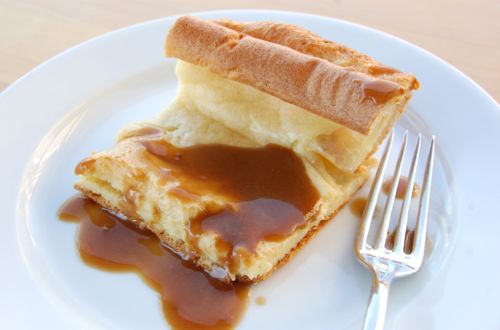
Now a true Yorkshire pudding (or so I have it on good authority) is made in one large pan, not in several small ones, and it’s served not as an accompaniment to a roast but as a first course, drizzled with gravy. Works for me. Still, once these shots were done I piled on some sliced turkey, a little cranberry and another piece o’ puddin’ and made a sandwich out of it. I can tell you that it made one heck of a Kentucky lunch! So do what you will. I know of no Yorkshireman (or woman) who’ll come ’round to check.

READ ON

Where does Yorkshire pudding come from?

If you guessed Yorkshire, you’re partly right. This sort of open-pan pudding made with meat drippings has been popular in Britain since at least 1737 when the first recipe was published by “a Lady” in her seminal book, The whole duty of a woman, or, An infallible guide to the fair sex: containing rules, directions, and observations, for their conduct and behavior through all ages and circumstances of life, as virgins, wives, or widows : with rules and receipts in every kind of cookery . I need to get a copy of that for the missus for Christmas. Think?

READ ON